_(3).jpeg)
What Is an Industrial Refrigeration System?
An industrial refrigeration system is a system designed to produce and maintain low temperatures according to the requirements of industrial processes, product storage, and distribution.
Unlike conventional air conditioning systems, industrial refrigeration systems are designed to operate under demanding conditions and provide more precise temperature control.
These systems are widely used in food and beverage, pharmaceutical, seafood, cold storage, chemical, distribution, and manufacturing industries.
Why Is Industrial Refrigeration Important?
Temperature is an important factor that can affect product quality and shelf life.
In the food and beverage industry, for example, improper temperatures can accelerate microbial growth and cause products to deteriorate more quickly.
In the pharmaceutical industry, certain products require specific storage temperatures to maintain their quality and stability.
Therefore, refrigeration systems must be designed according to temperature requirements, cooling capacity, product characteristics, and facility operating conditions.
How Does a Refrigeration System Work?
In general, a refrigeration system works by transferring heat away from the area or product that needs to be cooled.
The process takes place through a refrigeration cycle consisting of several major stages.
The refrigerant absorbs heat through the evaporator and is then compressed by the compressor. The refrigerant releases heat through the condenser before passing through the expansion device and returning to the evaporator.
This cycle continues continuously to maintain the required temperature.
Main Components of an Industrial Refrigeration System
1. Compressor
The compressor is one of the main components of a refrigeration system.
It compresses the refrigerant and increases its pressure and temperature before the refrigerant enters the condenser.
The compressor must be selected according to the required cooling capacity and operating conditions.
2. Condenser
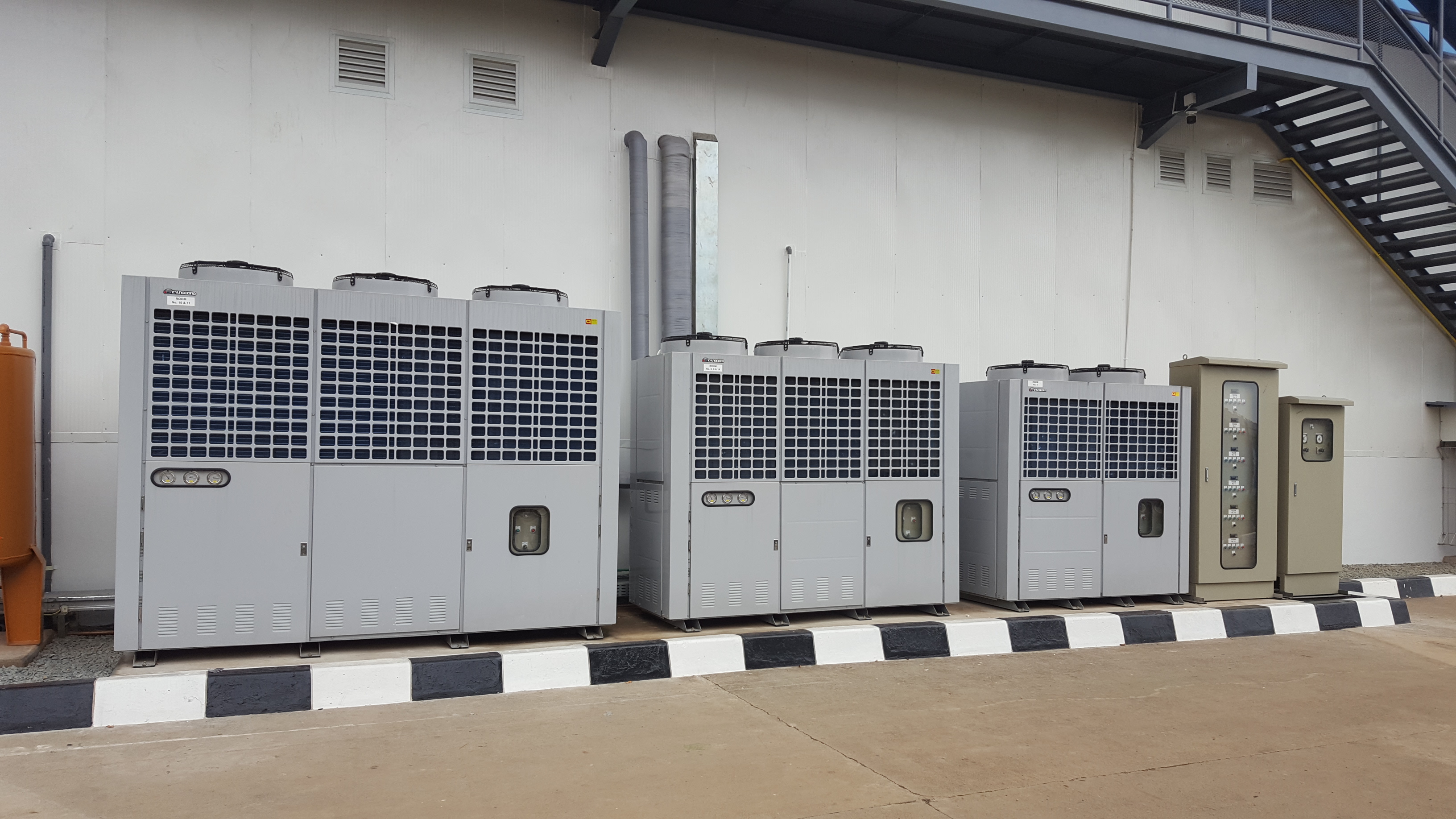
The condenser removes heat carried by the refrigerant.
The heat is released into the surrounding air or another cooling medium, causing the refrigerant to change from gas to liquid.
3. Expansion Valve
The expansion valve regulates refrigerant flow into the evaporator while reducing refrigerant pressure.
This component plays an important role in maintaining evaporator performance and cooling capacity.
4. Evaporator
The evaporator absorbs heat from the room, product, or medium that needs to be cooled.
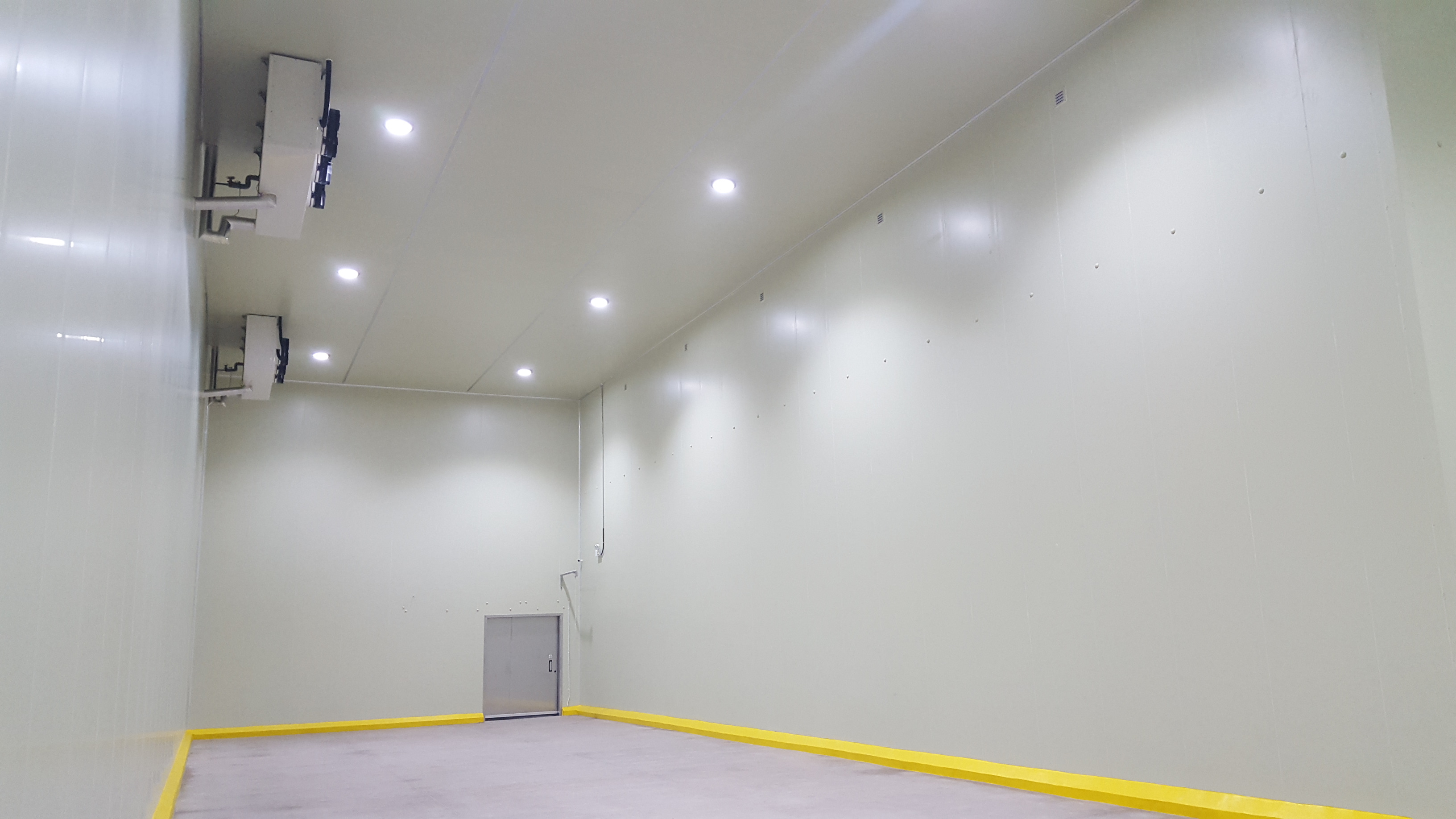
In cold storage facilities, the evaporator is normally installed inside the refrigerated room to maintain the required temperature.
5. Refrigerant
Refrigerant is the working fluid used to transfer heat within the refrigeration system.
Refrigerant selection should consider system requirements, energy efficiency, safety, regulations, and environmental impact.
Types of Industrial Refrigeration Systems
Industrial refrigeration can be applied to various applications.
Cold Storage
Cold storage facilities are used to store products at specific temperatures for a certain period.
They are widely used in food, beverage, seafood, agricultural, and frozen product distribution industries.
Blast Freezer
Blast freezers are designed to reduce product temperature very quickly.
They are commonly used in food processing to help maintain product quality after production.
Refrigerated Warehouse
Refrigerated warehouses are used to store large quantities of temperature-sensitive products before distribution.
Industrial Process Cooling
Refrigeration systems can also be used to cool machinery, production processes, or specific process media.
Factors to Consider When Designing a Refrigeration System
Refrigeration system design should not be based only on room size.
Important factors include:
- Target temperature
- Room dimensions
- Product type and quantity
- Product entering temperature
- Required cooling time
- Door opening frequency
- Number of workers
- Heat load from lighting and equipment
- Ambient conditions
- Room insulation
- Evaporator capacity
- Compressor capacity
- Energy requirements
Accurate calculations help determine the appropriate system capacity and prevent both undersizing and oversizing.
Common Industrial Refrigeration Problems
Common problems include:
- Incorrect compressor capacity
- Undersized evaporator
- Poor condenser heat rejection
- Damaged insulation
- Insufficient refrigerant
- Dirty filters and components
- Unstable temperature
- High energy consumption
These problems can reduce system performance and increase operating costs.
Importance of Refrigeration Maintenance
Regular maintenance is essential to keep refrigeration systems operating efficiently.
Maintenance inspections may include the compressor, condenser, evaporator, refrigerant, electrical system, control system, fans, filters, and insulation.
Routine maintenance can also help identify potential problems before they develop into major failures.
Energy Efficiency in Industrial Refrigeration
Refrigeration systems can be one of the largest energy consumers in an industrial facility.
Therefore, energy efficiency should be considered from the initial design stage.
Proper compressor selection, correctly sized condensers and evaporators, effective insulation, automatic controls, and regular maintenance can help reduce energy consumption.
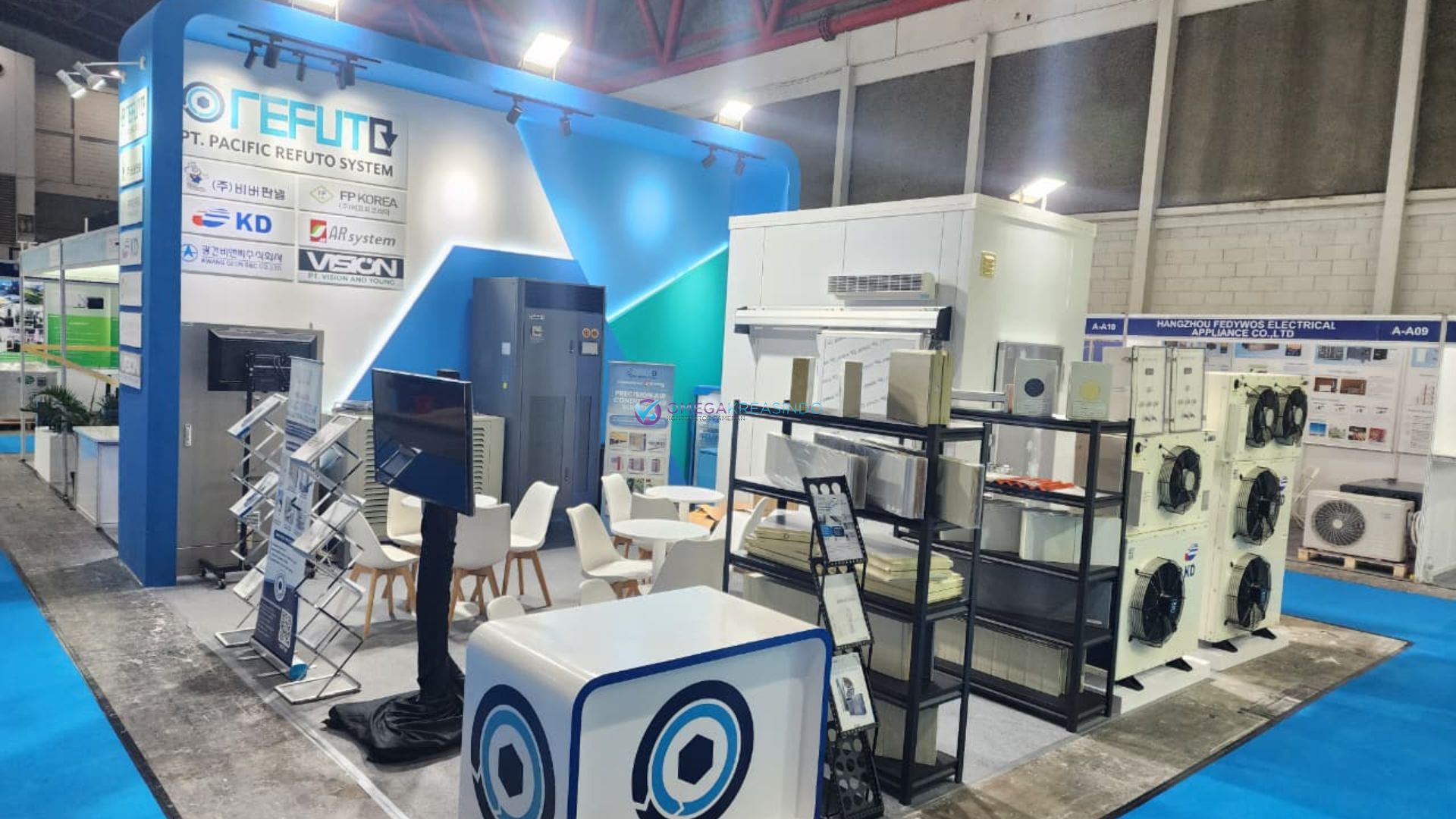
Industrial Refrigeration Solutions by PT Pacific Refuto System
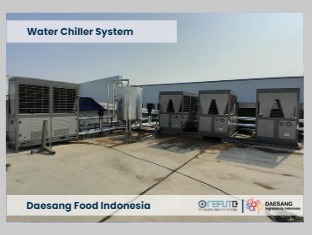
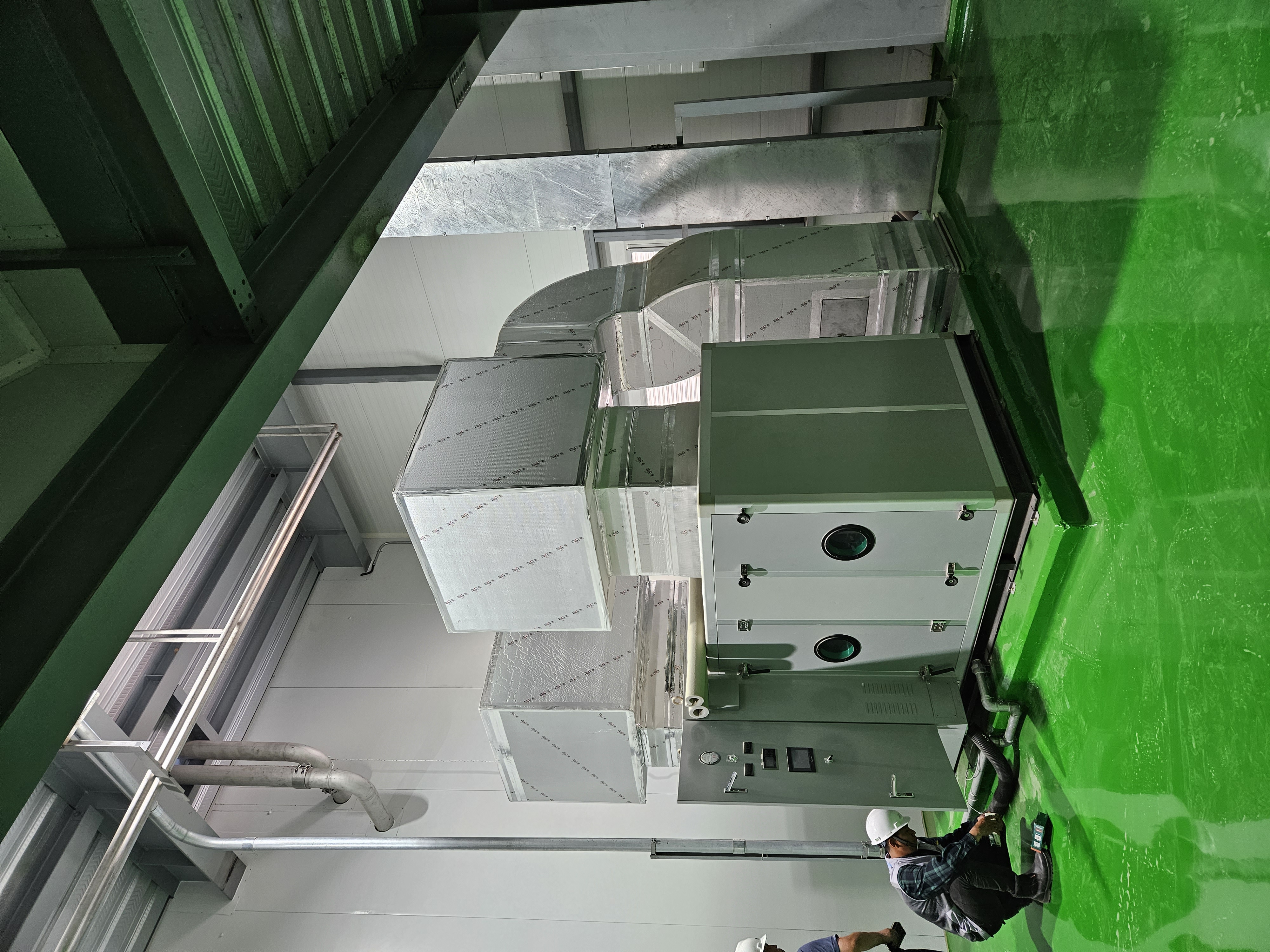
PT Pacific Refuto System provides refrigeration solutions for various industrial applications, including Cold Storage, Refrigeration Systems, Chiller Systems, HVAC Systems, Clean Rooms, and Automatic Control Systems.
With engineering support and industrial project experience, systems can be designed according to temperature requirements, cooling capacity, product characteristics, and facility conditions.
Conclusion
Industrial refrigeration systems are essential for many industries that require precise temperature control.
A properly designed system can help maintain product quality, improve energy efficiency, reduce the risk of product damage, and maintain stable production processes.
Therefore, capacity calculations, component selection, system design, installation, commissioning, and maintenance should be handled properly as an integrated process.
Need an Industrial Refrigeration Solution?
PT Pacific Refuto System provides Refrigeration System, Cold Storage, Chiller, HVAC, and industrial cooling solutions designed according to your facility requirements.
_(3).jpeg)