What Is HVAC?
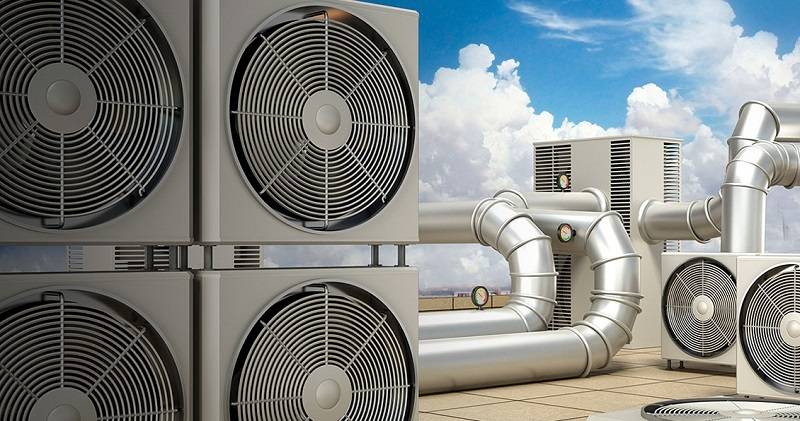
HVAC stands for Heating, Ventilation, and Air Conditioning, a system designed to control temperature, humidity, air quality, and air circulation within buildings and industrial facilities.
In modern industrial environments, HVAC is not only used for room cooling but also plays an important role in maintaining product quality, employee comfort, and production process efficiency.
HVAC systems are widely used in industries such as:
- Food and beverage
- Pharmaceutical
- Electronics
- Automotive
- Chemical
- Data centers
- Hospitals
Why Is HVAC Important for Industry?
Unlike ordinary office buildings, industrial environments have more complex requirements.
Some production processes require:
- Precise temperature control
- Humidity control
- Air particle filtration
- Specific air pressure
- Stable air circulation
Without a properly designed HVAC system, product quality may decrease while operational costs can increase.
Main Functions of an HVAC System
1. Controlling Room Temperature
An HVAC system maintains a stable temperature according to production process requirements.
For example:
- Pharmaceutical industry: 20–25°C
- Electronics clean room: 22–24°C
- Server room: 18–27°C
Consistent temperature control helps maintain product quality and extend equipment lifespan.
2. Controlling Humidity
Excessive humidity can cause:
- Corrosion
- Mold growth
- Raw material damage
Meanwhile, excessively low humidity can cause static electricity, which can be dangerous for the electronics industry.
3. Maintaining Air Quality
HVAC systems are equipped with filters capable of removing:
- Dust
- Microorganisms
- Contaminant particles
- Air pollutants
This is particularly important in the pharmaceutical and food industries.
4. Providing Ventilation
Proper ventilation helps replace contaminated air with fresh air, creating a healthier working environment.
Main Components of an HVAC System
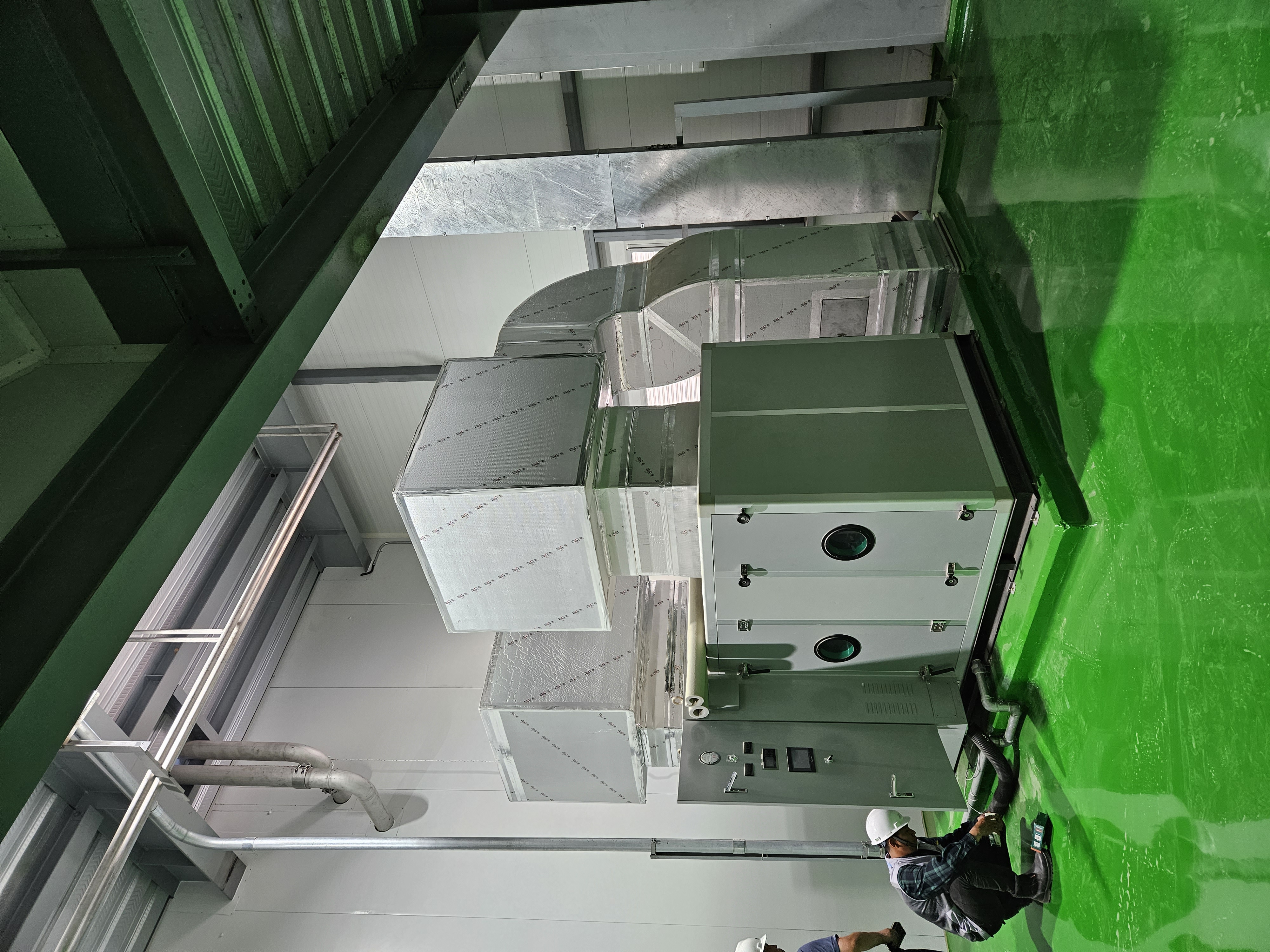
Air Handling Unit (AHU)
An AHU processes and distributes air throughout a building or facility.
Its functions include:
- Air filtration
- Air cooling
- Humidity control
- Air distribution
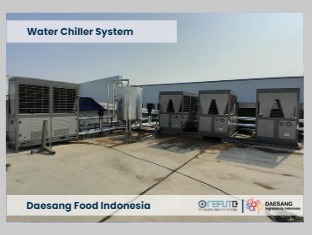
Chiller
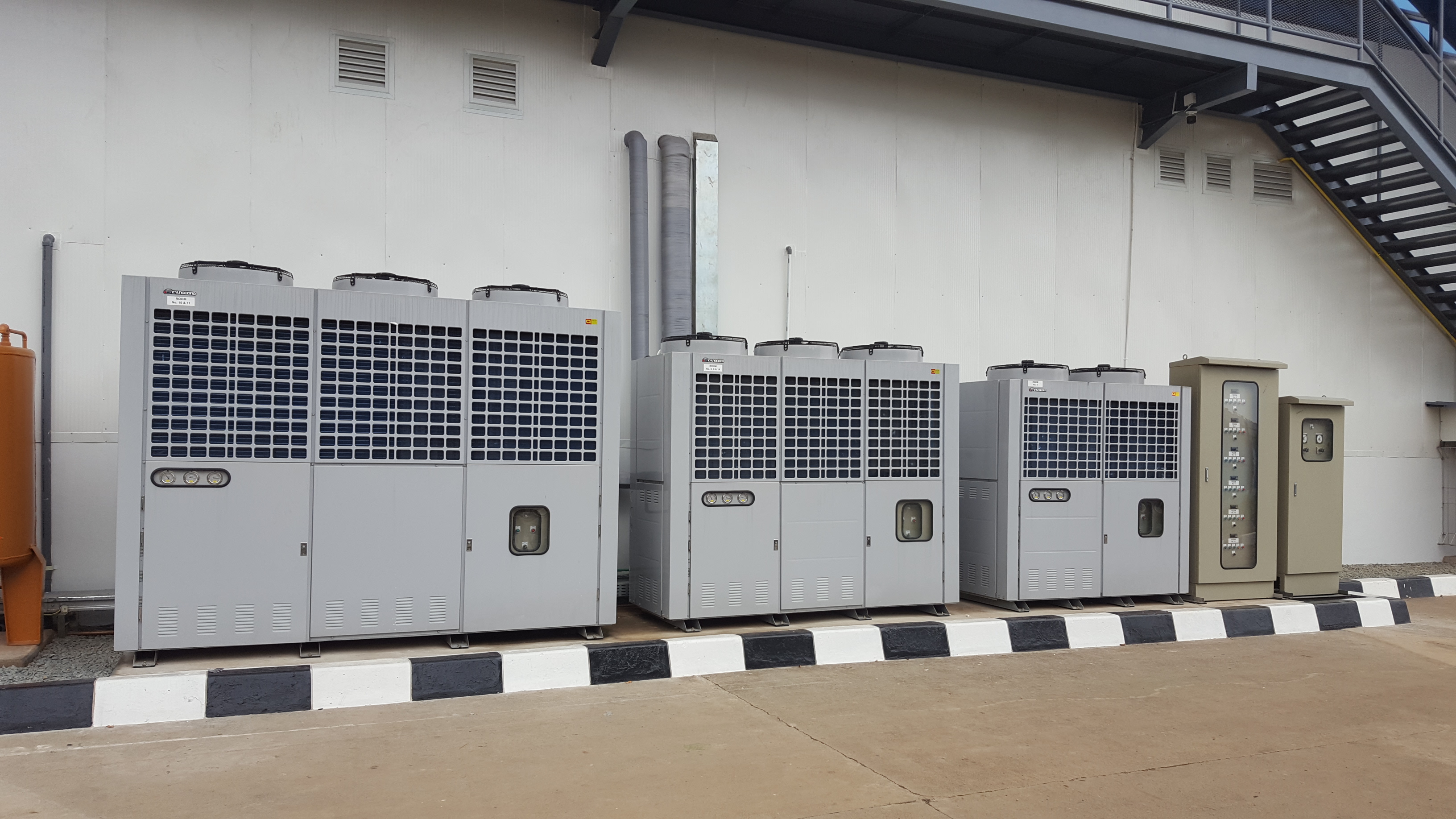
A chiller produces chilled water that is used as a cooling medium in HVAC systems.
Common types include:
- Air-Cooled Chiller
- Water-Cooled Chiller
Cooling Tower
A cooling tower removes heat from the cooling system to maintain overall system efficiency.
Ducting
Ducting serves as an air distribution pathway from the AHU to areas that require cooling.
Automatic Control System
An automatic control system enables operators to monitor the following in real time:
- Temperature
- Humidity
- Air pressure
- Energy consumption
Benefits of HVAC for Industry
Improving Product Quality
A controlled environment produces more consistent products.
Reducing Contamination Risks
Filters and ventilation systems help maintain cleanliness in production areas.
Saving Energy
Proper HVAC design can significantly reduce energy consumption.
Meeting Industry Standards
Many standards, such as GMP and ISO, require proper environmental control.
Improving Employee Comfort
A comfortable working environment can improve productivity and occupational safety.
Common Challenges in Industrial HVAC Systems
Some common problems include:
- High electricity consumption
- Uneven air distribution
- Dirty filters
- Unstable humidity
- System capacity that does not match actual requirements
Therefore, proper planning and regular maintenance are essential.
How to Choose the Right HVAC Contractor
Before choosing an HVAC contractor, consider the following:
Industry Experience
Choose a company with experience handling projects across various industrial sectors.
Engineering Capabilities
Make sure the contractor is capable of performing:
- Site surveys
- Heat load calculations
- System design
- Installation
- Commissioning
After-Sales Service
Maintenance and technical support are essential for maintaining system performance.
Project Portfolio
Review previous projects to ensure the contractor has a proven track record of quality work.
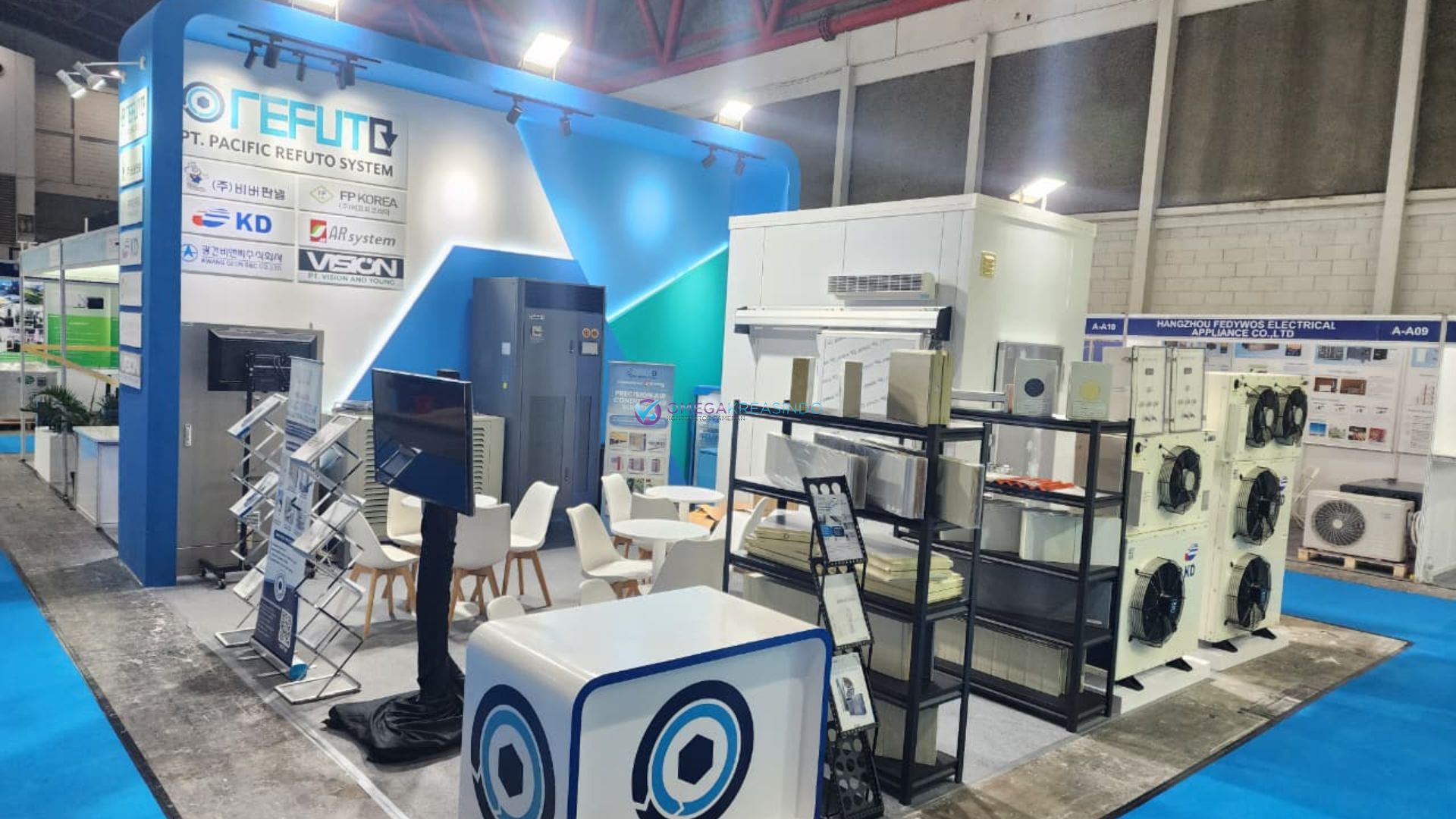
Why Choose PT Pacific Refuto System?
PT Pacific Refuto System provides integrated solutions for:
- HVAC Systems
- Cold Storage
- Refrigeration Systems
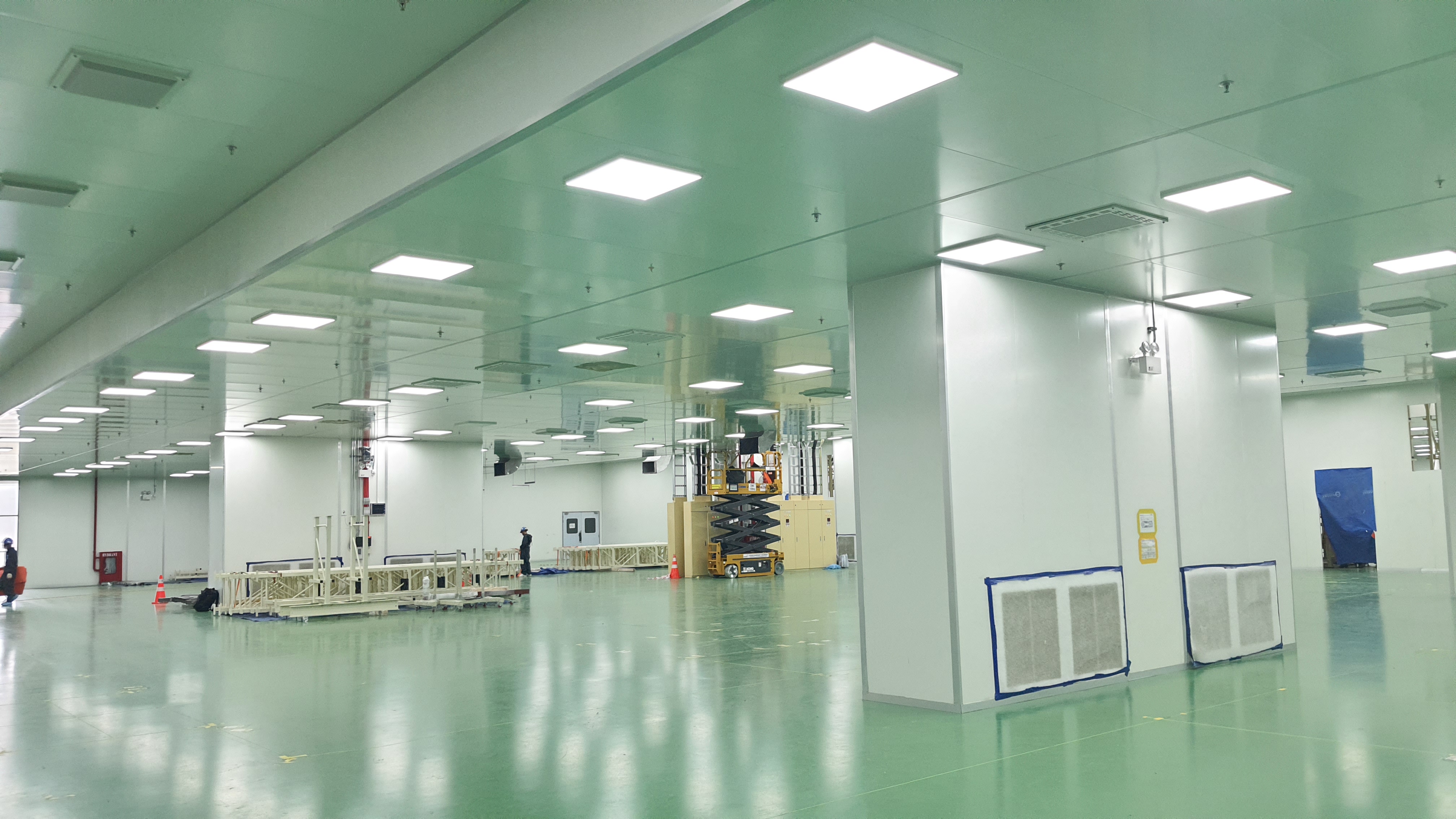
- Clean Rooms
- Chiller Systems
- Energy Saving Solutions
- Automatic Control Systems
Supported by an experienced engineering team, Refuto helps industries achieve efficient, reliable, and standards-compliant cooling and environmental control systems.
Conclusion
HVAC is a vital system in various industrial sectors because it helps control temperature, humidity, air quality, and workplace comfort. With proper design, an HVAC system can not only improve production quality but also reduce energy consumption and help industries meet applicable standards.
Need HVAC Consultation for Your Factory?
Contact PT Pacific Refuto System for HVAC, Clean Room, Cold Storage, and Refrigeration solutions designed specifically to meet your industrial requirements.
_(3).jpeg)
_(3).jpeg)