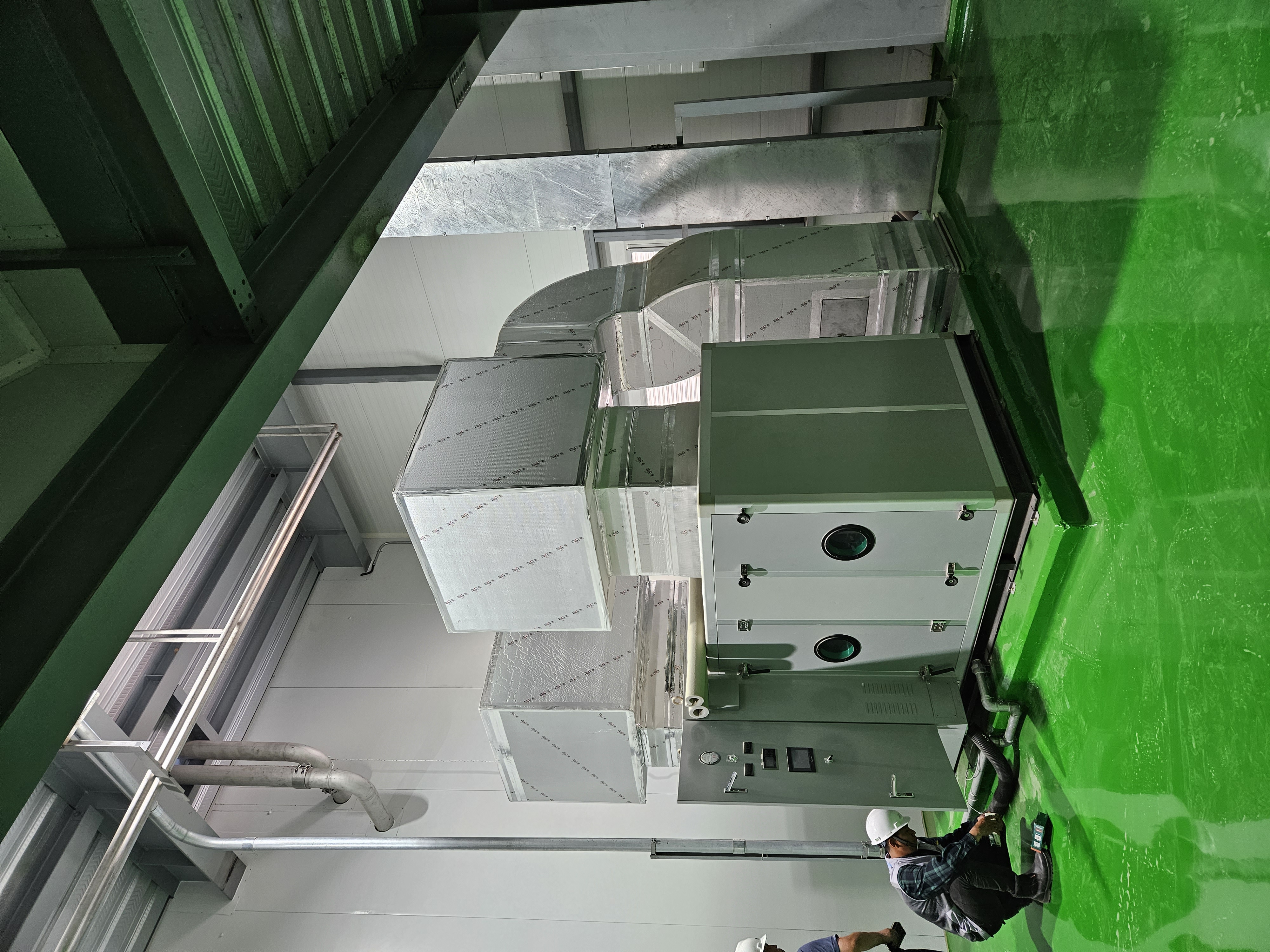
What Is an AHU (Air Handling Unit)?
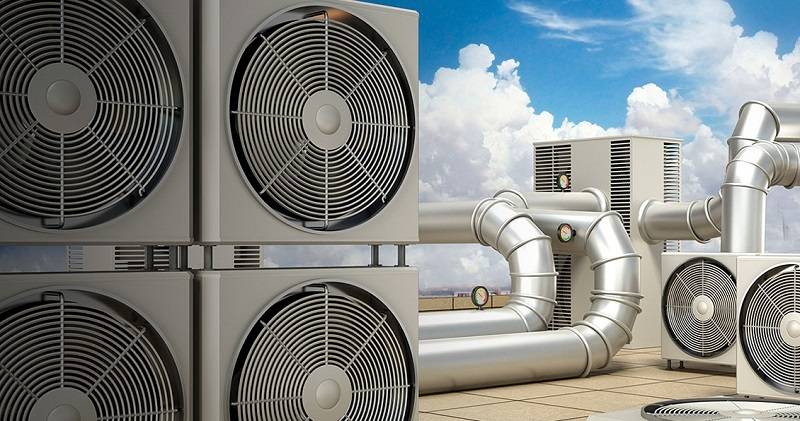
An Air Handling Unit, commonly known as an AHU, is one of the most important components of an HVAC system. It is designed to process, control, and distribute air throughout a building or industrial facility.
An AHU can regulate temperature, humidity, air cleanliness, and air circulation according to the requirements of each area.
In industrial environments, AHUs play an important role because air conditions can affect product quality, worker comfort, production processes, and overall operational efficiency.
How Does an AHU Work?
In general, an AHU takes air from the indoor environment and/or outside air and processes it through several stages.
The air may pass through filtration, cooling or heating, humidity control, and then be distributed back into the facility through a ductwork system.
This process allows the indoor environment to remain within the required operating parameters.
Main Components of an AHU
An AHU consists of several major components that work together.
1. Air Filter
Air filters remove dust, particles, and contaminants from the air before it is supplied to the facility.
The type and filtration level depend on the requirements of the facility.
2. Cooling Coil
The cooling coil reduces the temperature of the air passing through the AHU.
In chilled-water HVAC systems, chilled water from a chiller flows through the cooling coil and absorbs heat from the air.
3. Fan or Blower
The fan moves air through the AHU and ductwork system to the areas requiring conditioned air.
The fan capacity must be selected according to the required airflow and system pressure.
4. Damper
Dampers regulate the volume and direction of airflow.
They can be used to control fresh air, return air, and exhaust air according to the HVAC design.
5. Humidity Control
In certain facilities, AHUs are also used to help control humidity.
Humidity control is particularly important for industries that require stable environmental conditions.
6. Control System
The control system allows parameters such as temperature, humidity, pressure, and airflow to be monitored and controlled.
Modern systems can operate automatically, allowing operators to monitor system conditions in real time.
AHU Functions in Industrial Facilities
AHUs perform several important functions, including:
- Temperature control
- Humidity control
- Air filtration
- Fresh air supply
- Air circulation
- Room pressure control
- Air distribution
The requirements may vary depending on the industry and application.
For example, pharmaceutical facilities and clean rooms require much stricter environmental control than general industrial areas.
AHU for Clean Rooms
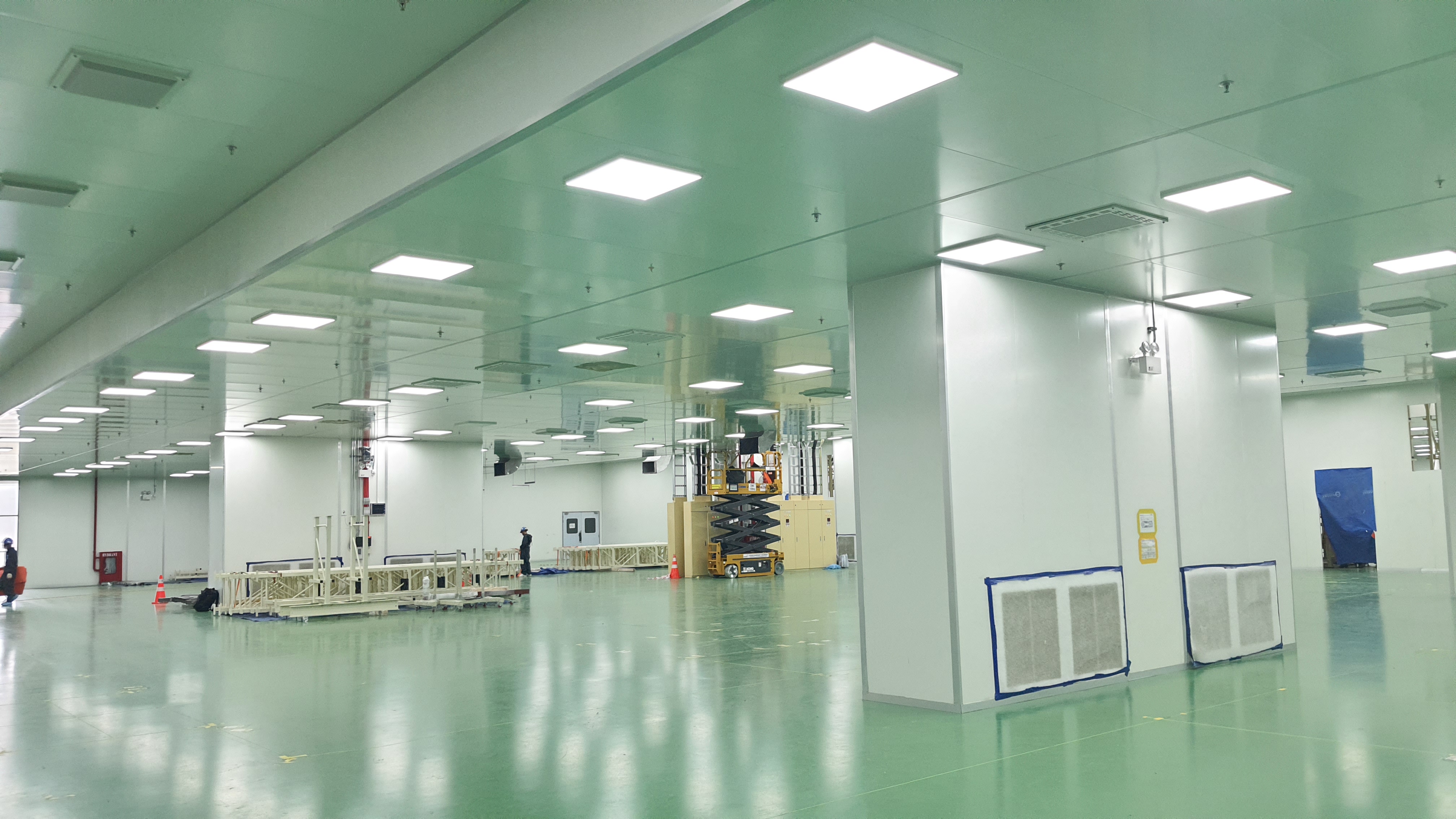
Clean rooms are one of the applications that require properly designed AHU systems.
The AHU system for a clean room must consider airflow, filtration, room pressure, temperature, and humidity.
The objective is to maintain controlled environmental conditions and minimize the risk of contamination.
AHU and Chiller Systems
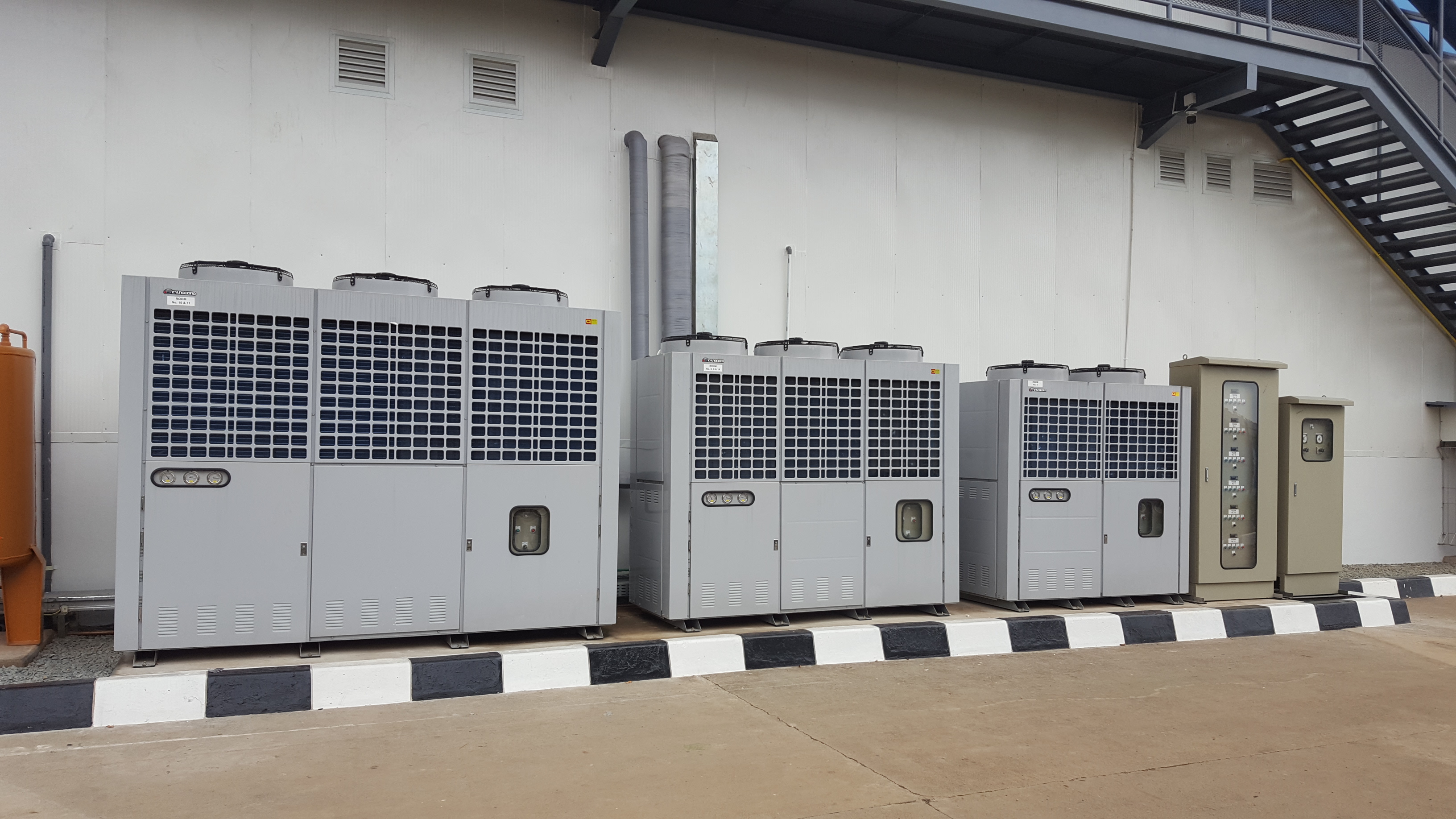
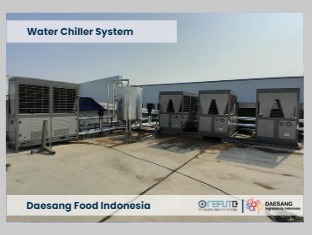
AHUs and chillers often operate together as part of an HVAC system.
The chiller produces chilled water, which is circulated through the cooling coil inside the AHU.
The cooling coil uses the chilled water to remove heat from the air before distributing the conditioned air throughout the facility.
Therefore, the chiller, AHU, cooling coil, fan, and ductwork should be designed as an integrated system.
Benefits of a Properly Designed AHU
A properly selected and designed AHU can provide several benefits, including:
Improved Air Quality
Filtration systems help reduce dust and airborne particles.
Stable Production Conditions
Stable temperature and humidity can help maintain consistent production conditions.
Improved Workplace Comfort
Proper air circulation creates a more comfortable working environment.
Improved Energy Efficiency
A properly designed AHU can help optimize the energy consumption of the HVAC system.
Why Is Proper AHU Planning Important?
Incorrect AHU capacity can lead to insufficient airflow, unstable temperatures, uneven air distribution, high electricity consumption, and poor indoor air quality.
For this reason, AHU design should be based on the actual facility conditions and operational requirements.
Factors such as room size, heat load, occupancy, fresh air requirements, filtration level, room pressure, temperature, humidity, and operating schedules should be considered.
Choosing the Right AHU and HVAC Contractor
When selecting an AHU contractor, companies should consider engineering experience, heat load calculation capabilities, system design, installation, commissioning, and maintenance services.
An experienced industrial HVAC contractor can help ensure that the system is designed according to the facility's requirements.
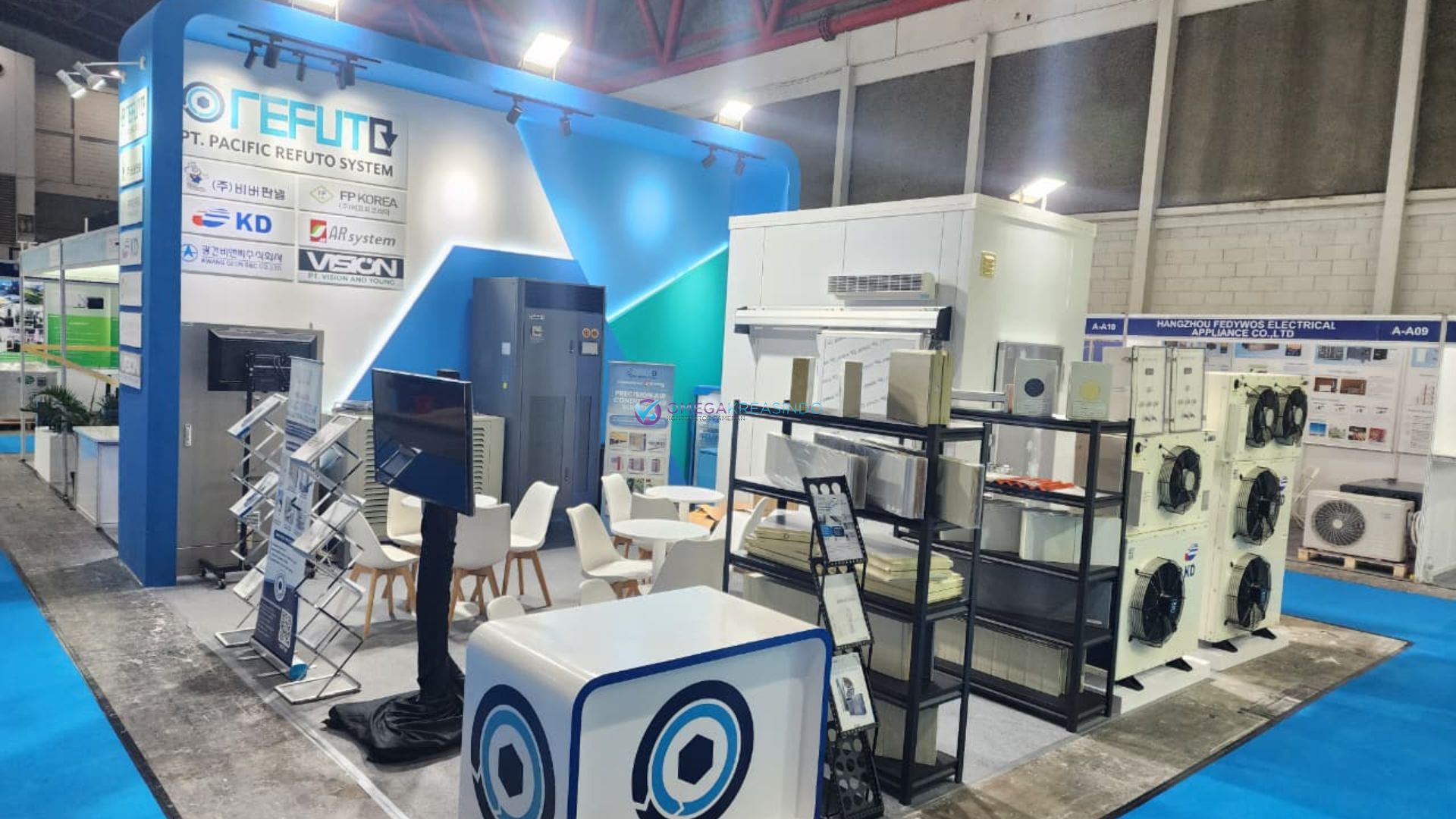
AHU System by PT Pacific Refuto System
PT Pacific Refuto System provides cooling and HVAC solutions for various industrial applications, including HVAC systems, clean rooms, cold storage, refrigeration systems, chiller systems, AHU systems, and automatic control systems. The company provides services ranging from system planning and design to installation, commissioning, maintenance, troubleshooting, and after-sales support.
With experienced engineering support and experience in industrial projects, Refuto helps customers develop HVAC and AHU systems according to their facility requirements.
Conclusion
An AHU is an essential component of an HVAC system that processes and distributes air throughout a facility.
With proper design, an AHU can help maintain temperature, humidity, air quality, room pressure, and air circulation according to industrial requirements.
For optimal system performance, the AHU capacity, cooling coil, fan, filters, ductwork, and control system should be designed as an integrated system.
Need AHU and HVAC Solutions for Your Factory?
PT Pacific Refuto System provides HVAC, AHU, Clean Room, Chiller, Cold Storage, and Refrigeration System solutions designed according to your industrial requirements.
_(3).jpeg)
_(3).jpeg)