_(3).jpeg)
How to Improve HVAC Energy Efficiency in Factories and Industrial Facilities
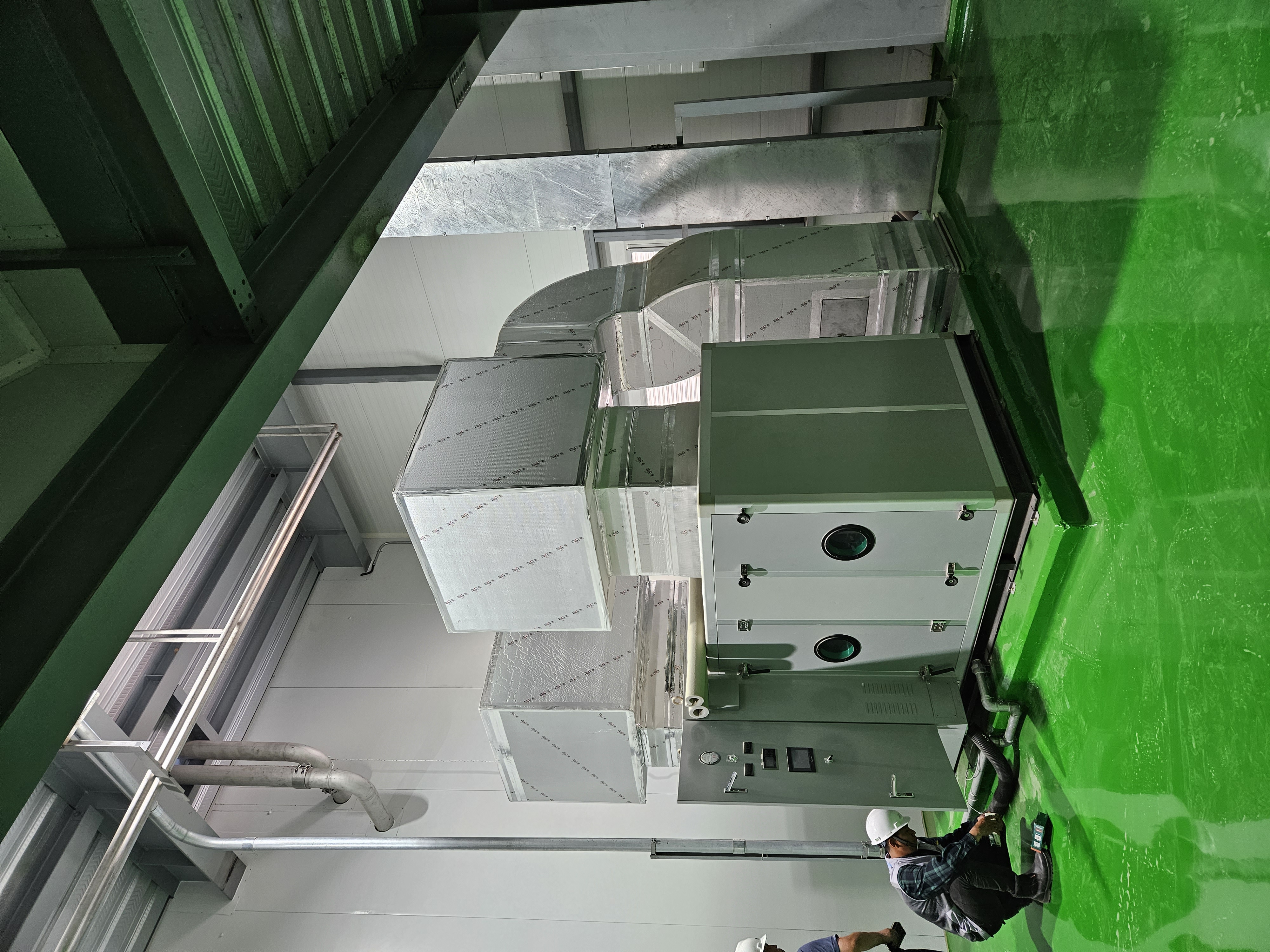
HVAC systems are an essential part of industrial facilities because they help control temperature, humidity, air quality, and air circulation according to production requirements.
However, HVAC systems that are not properly designed, operated, or maintained can consume significant amounts of energy. Therefore, improving HVAC energy efficiency is an important strategy for companies looking to reduce operating costs while maintaining reliable facility performance.
HVAC efficiency does not depend only on the type of equipment installed. System design, equipment capacity, automatic controls, ductwork, pumps, fans, chillers, and facility operating patterns can all affect energy consumption.
Why Is HVAC Energy Efficiency Important for Industry?
Manufacturing facilities often operate for long hours and require large-capacity HVAC systems. Some facilities also require continuous temperature and humidity control.
If an HVAC system operates beyond the actual requirement, energy can be wasted. On the other hand, an undersized system may operate continuously without being able to achieve the required conditions.
Therefore, HVAC systems should be designed according to the actual requirements of the facility and production process.
Improving HVAC energy efficiency can help companies:
- Reduce electricity consumption
- Lower operating costs
- Improve system stability
- Extend equipment service life
- Reduce equipment workload
- Support corporate energy-saving programs
Factors Affecting HVAC Energy Consumption
Several factors can affect HVAC energy consumption.
1. HVAC Capacity
System capacity should match the actual cooling load and building requirements.
An oversized system may frequently operate under partial-load conditions, while an undersized system may have to operate for extended periods.
Therefore, heat load calculation is an important part of HVAC system design.
2. Chiller Performance
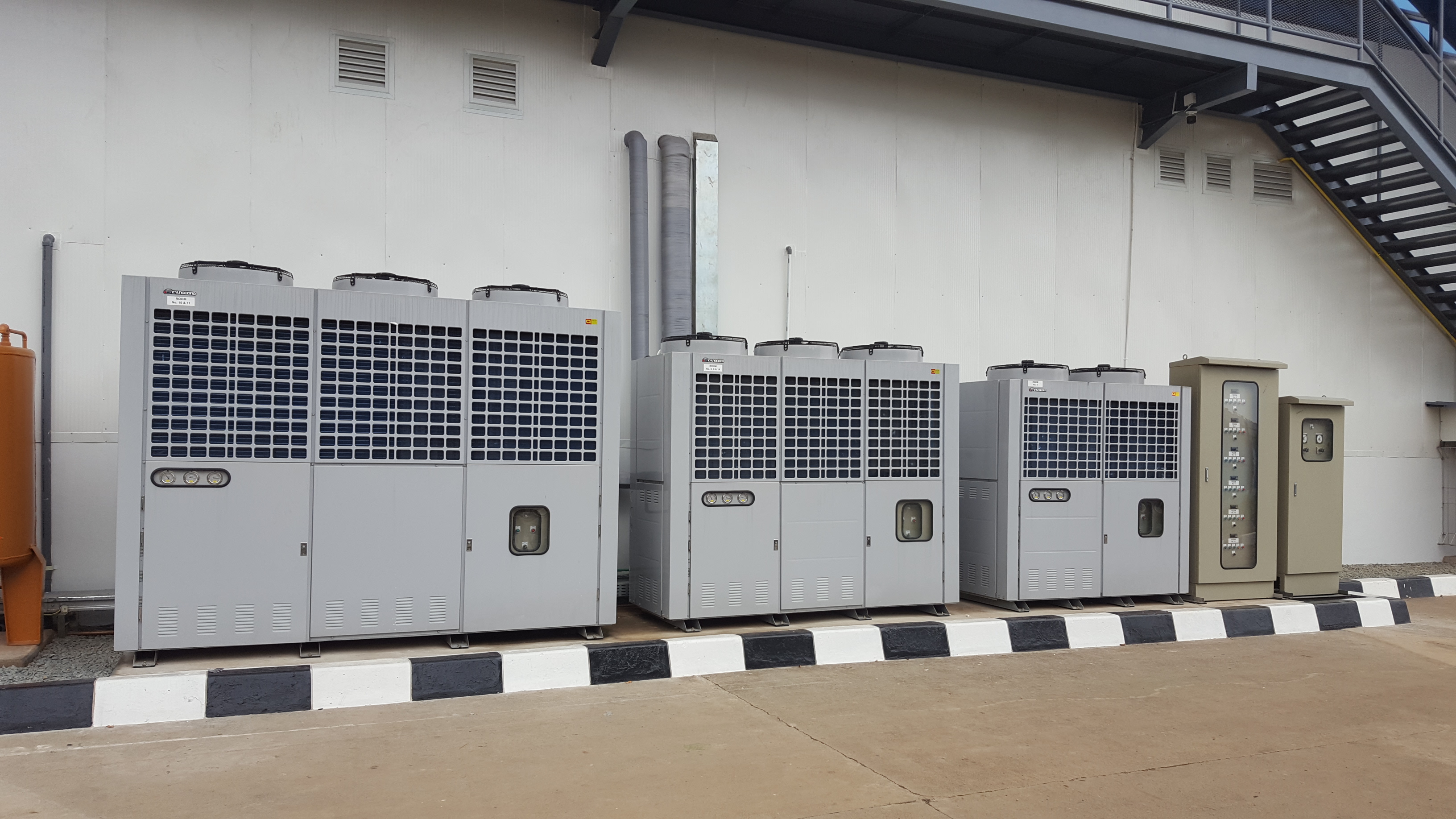
Chillers are major components of HVAC systems and can consume substantial amounts of energy.
Chiller performance should be monitored regularly. The condition of the condenser, evaporator, chilled water system, cooling tower, and control system can affect overall system efficiency.
Proper maintenance helps maintain the chiller's designed performance.
3. Fans and Pumps
Fans and pumps also contribute significantly to HVAC energy consumption.
For systems with changing airflow or water-flow requirements, Variable Speed Drives or Variable Frequency Drives can adjust motor speed according to actual demand.
This allows fans and pumps to operate according to the required load instead of continuously operating at maximum speed. Variable-speed control is widely used as an efficiency strategy for systems with variable loads.
4. Ductwork and Air Distribution
Poorly designed ductwork can create pressure losses and uneven air distribution.
Duct leakage can also cause conditioned air to be lost before reaching the required area.
Therefore, duct design, duct dimensions, distribution routes, insulation, and connections should be properly considered.
5. Automatic Control Systems
Automatic control systems allow HVAC equipment to respond to actual facility conditions.
Sensors can monitor:
- Temperature
- Humidity
- Pressure
- Airflow
- Equipment conditions
- Energy consumption
With proper controls, HVAC equipment can operate according to actual demand instead of running continuously at maximum capacity.
How to Save HVAC Energy in Factories
Several strategies can be applied to improve industrial HVAC efficiency.
1. Perform Heat Load Calculation
The first step is to determine the actual cooling requirement.
Heat load calculations consider factors such as:
- Room size
- Number of occupants
- Production equipment
- Machine heat loads
- Lighting
- Outdoor air
- Environmental conditions
- Production requirements
The results help determine the appropriate HVAC capacity.
2. Use Variable Speed Drives
Variable Speed Drives can be applied to equipment such as fans and pumps.
Motor speed can be adjusted according to actual demand so that the equipment does not continuously operate at maximum speed.
For variable-load fan and pump applications, speed control can provide significant energy-saving opportunities.
3. Optimize Chiller Operation
Chiller efficiency can be improved through:
- Regular maintenance
- Heat exchanger cleaning
- Chilled water inspection
- Condenser inspection
- Cooling tower optimization
- Set-point optimization
- Performance monitoring
A chiller should be considered as part of the entire chilled water system rather than as an isolated machine.
4. Check Air Filters
Dirty filters can increase pressure drop and force fans to work harder.
Regular filter inspection and replacement help maintain proper airflow and system performance.
5. Improve Insulation
Insulation on ductwork and piping helps reduce unwanted heat transfer.
Damaged or inadequate insulation can increase energy losses and force the HVAC system to work harder.
6. Consider Heat Recovery
For suitable industrial facilities, heat recovery systems can reuse energy from exhaust air.
Recovered thermal energy can be used to pre-condition incoming air, reducing the load on the HVAC system.
7. Implement Automatic Control
Automatic control systems allow HVAC operation to respond to actual facility conditions.
Fans, pumps, dampers, valves, and other equipment can be controlled based on sensors and process requirements.
This improves system stability and reduces unnecessary equipment operation.
Common Causes of HVAC Energy Waste
Some common problems in industrial facilities include:
- Incorrect HVAC capacity
- No heat load calculation
- Fans operating continuously at maximum capacity
- Fixed-speed pumps
- Poor filter maintenance
- Duct leakage
- Damaged insulation
- Poor chiller maintenance
- Incorrect temperature set points
- Inefficient control systems
These problems can increase energy consumption and operating costs.
The Importance of HVAC Maintenance
HVAC efficiency is not determined only when the system is installed.
Regular maintenance is necessary to ensure that all components continue to operate according to their design conditions.
Maintenance may include:
- AHU inspection
- Filter cleaning
- Fan inspection
- Pump inspection
- Chiller inspection
- Cooling tower inspection
- Ductwork inspection
- Insulation inspection
- Sensor calibration
- Control system inspection
Proper maintenance can help identify potential problems before they develop into major failures.
Why Is HVAC Design Important?
An energy-efficient HVAC system should be designed according to the facility's actual conditions rather than simply selecting equipment based on capacity.
HVAC engineering should consider:
- Building characteristics
- Production processes
- Heat load
- Airflow
- Temperature
- Humidity
- Room pressure
- Operating hours
- Air quality requirements
- Future expansion
A properly engineered system can provide efficient operation while meeting production requirements.
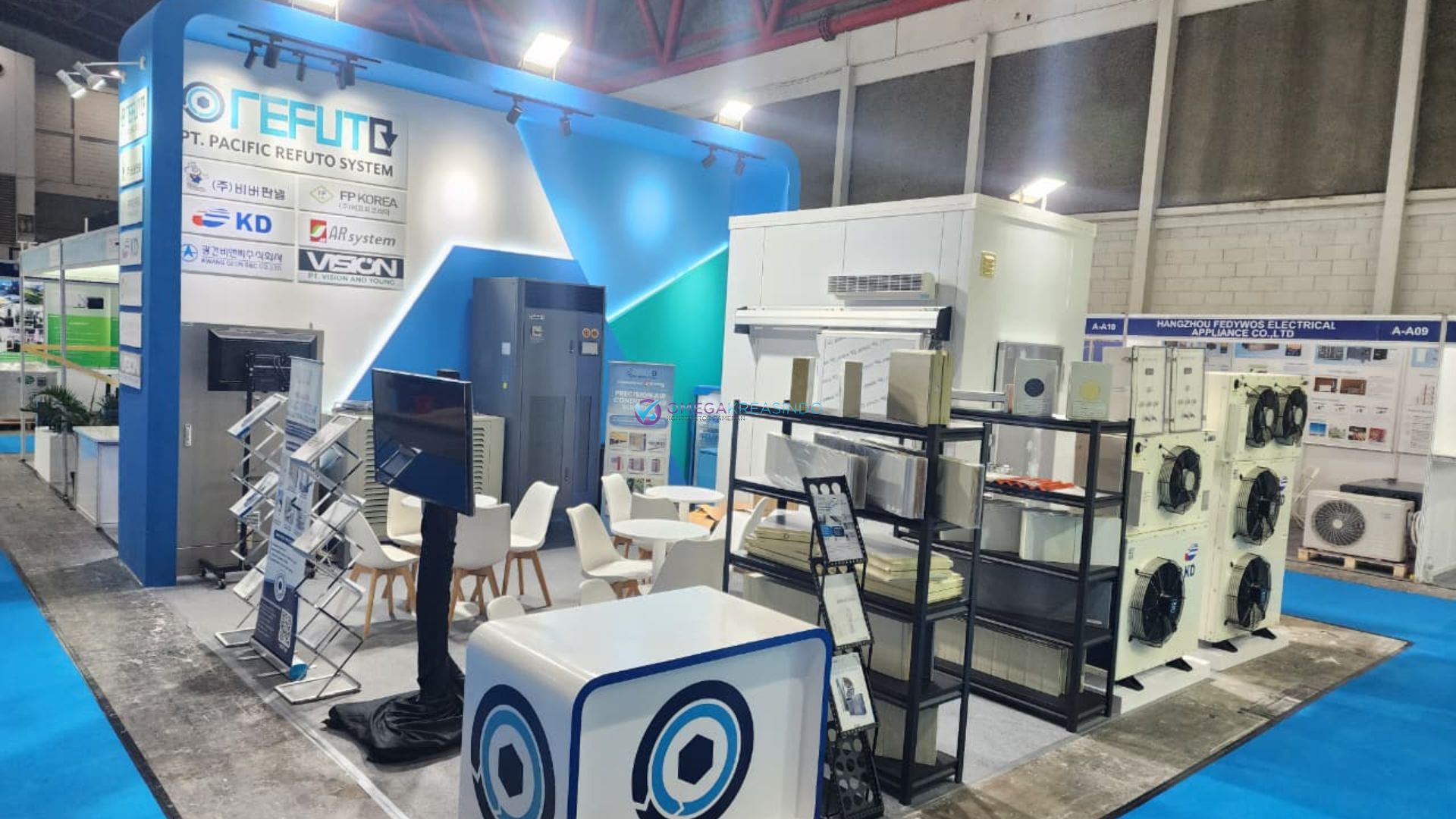
HVAC Energy-Saving Solutions from PT Pacific Refuto System
PT Pacific Refuto System provides engineering solutions for various industrial requirements, including:
- HVAC System
- Chiller System
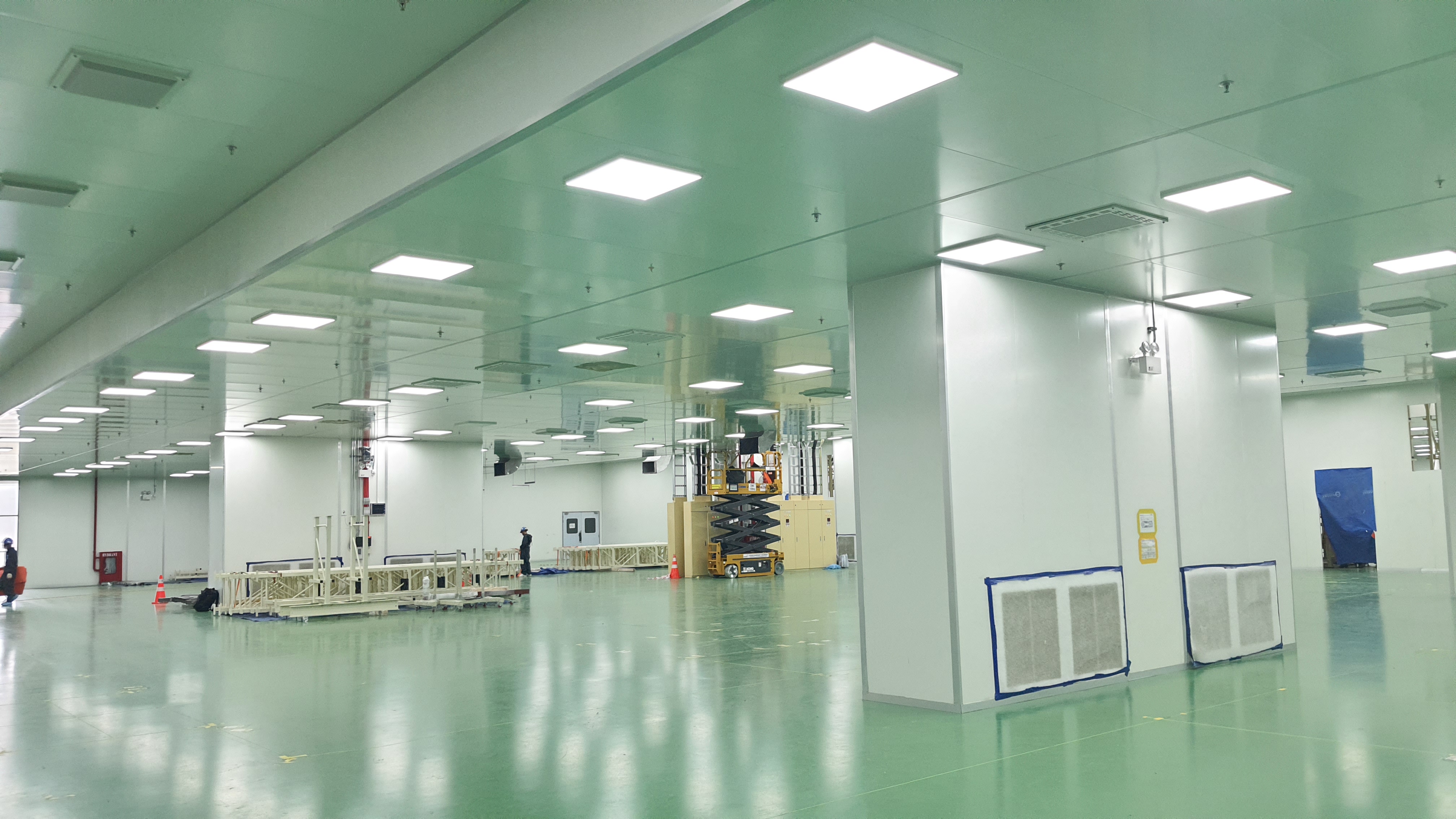
- Clean Room
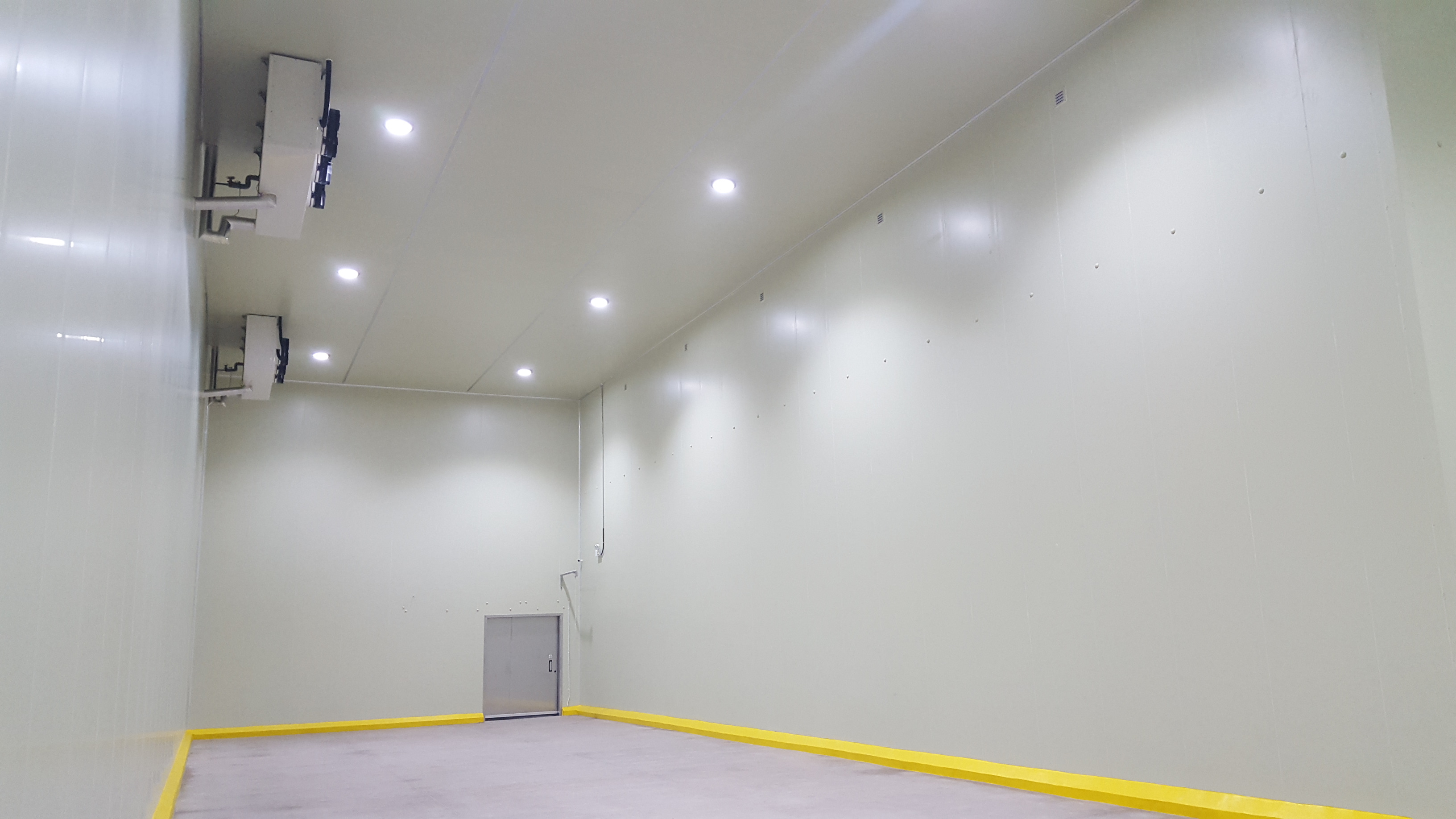
- Cold Storage
- Refrigeration System
- Automatic Control System
- Energy Saving Solution
With experienced engineering support and industrial project experience, systems can be designed according to the actual requirements of the facility and production process.
Conclusion
HVAC energy efficiency is an important part of industrial facility management.
Energy savings do not depend only on high-efficiency equipment. Proper system design, correct capacity, air distribution, automatic controls, maintenance, and operating methods are equally important.
By performing heat load calculations, optimizing chillers, applying variable-speed control, improving air distribution, and implementing automatic control systems, companies can improve HVAC efficiency while maintaining reliable system performance.
Need an HVAC Solution for Your Factory?
PT Pacific Refuto System provides HVAC, Chiller, Clean Room, Cold Storage, Refrigeration, and Energy Saving Solutions for various industrial applications.
_(3).jpeg)