Clean Room for Industry: Functions, Types, and Important Standards to Consider
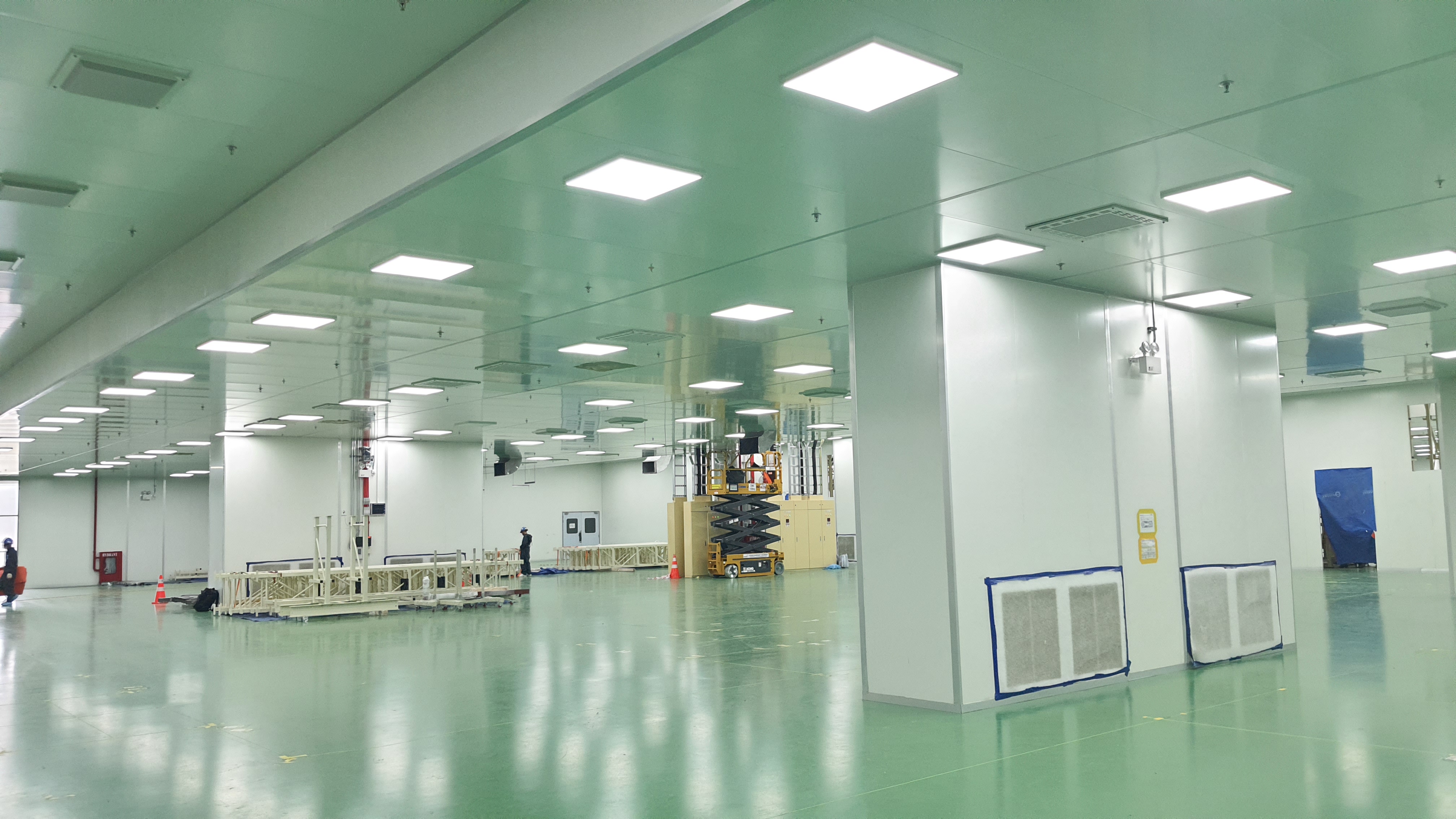
A clean room is a specially controlled environment designed to maintain air cleanliness, temperature, humidity, pressure, and airborne particle levels within specified limits.
In modern industries, clean rooms are essential because certain manufacturing processes require a controlled environment with specific cleanliness and stable air conditions. Clean rooms are widely used in electronics, battery manufacturing, pharmaceutical, food, medical equipment, and other manufacturing industries.
What Is a Clean Room?
A clean room is a controlled environment designed to limit airborne particles and maintain environmental conditions according to specific production requirements.
Unlike conventional rooms, a clean room uses a specialized HVAC system to control several parameters, including:
- Temperature
- Humidity
- Air pressure
- Air cleanliness
- Particle concentration
- Air circulation
These parameters must be continuously controlled to maintain stable room conditions.
Why Is a Clean Room Important for Industry?
In certain manufacturing processes, dust and small particles can affect product quality.
For example, in electronics and battery manufacturing, particle contamination can affect production processes and product quality. In the pharmaceutical industry, contamination control is also an important factor in maintaining product quality and safety.
Therefore, a clean room must be designed according to production requirements, required cleanliness levels, room capacity, and surrounding environmental conditions.
Main Components of a Clean Room
A clean room consists of several components that work together as an integrated system.
1. HVAC System
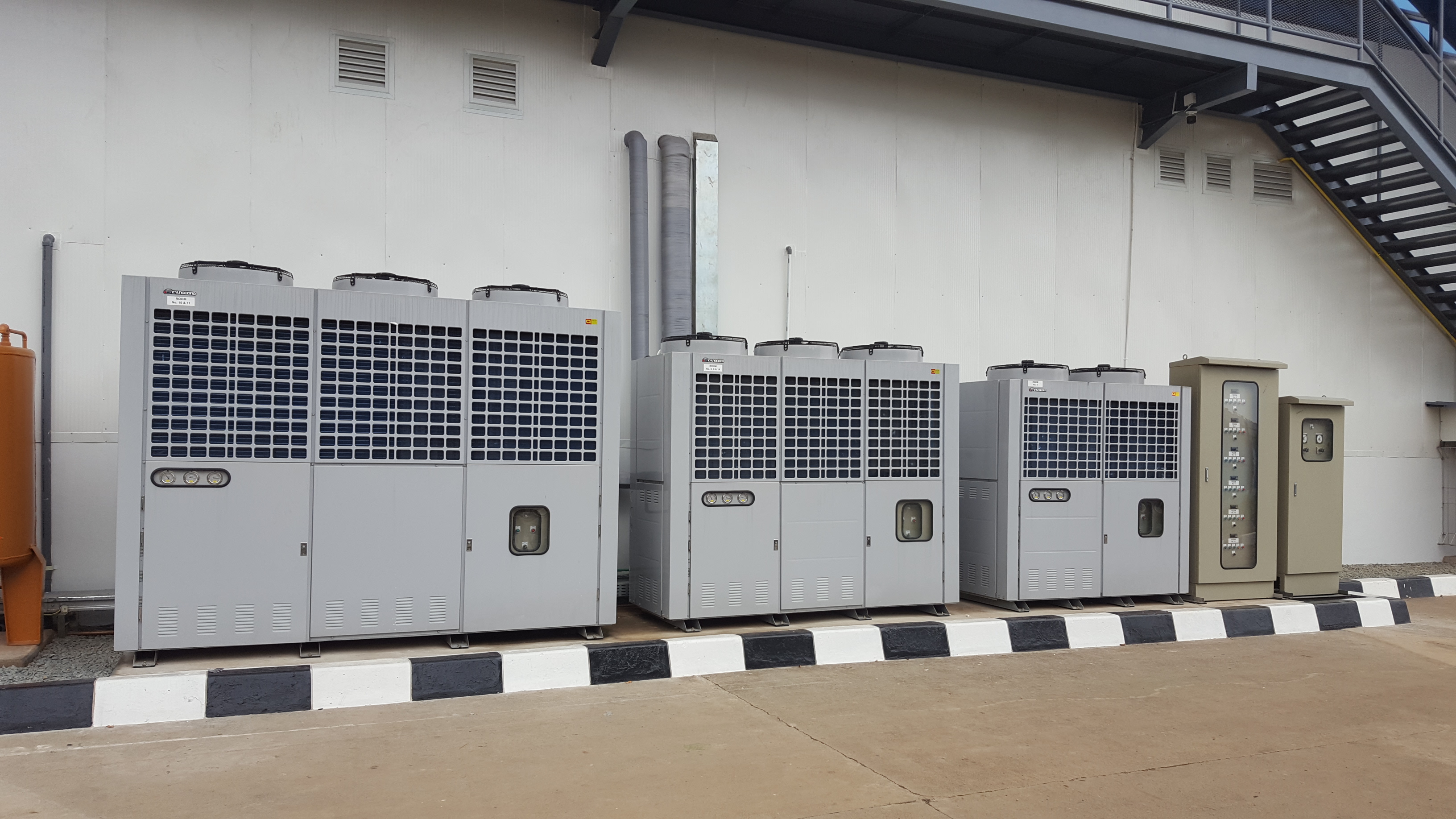
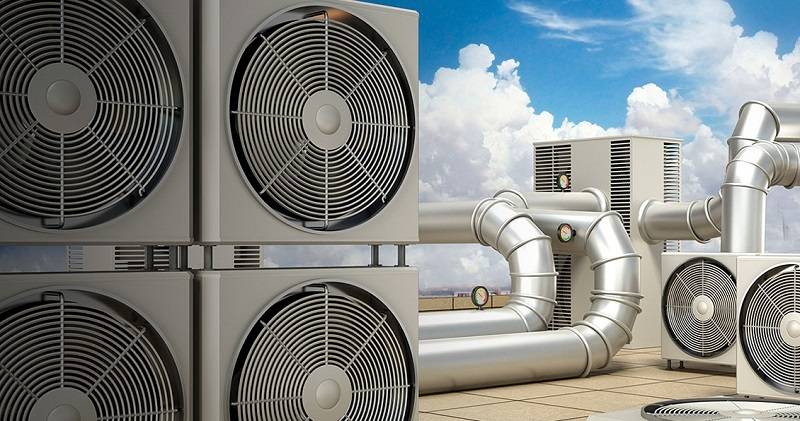
HVAC is one of the most important components of a clean room. It is used to control temperature, humidity, air pressure, and air circulation.
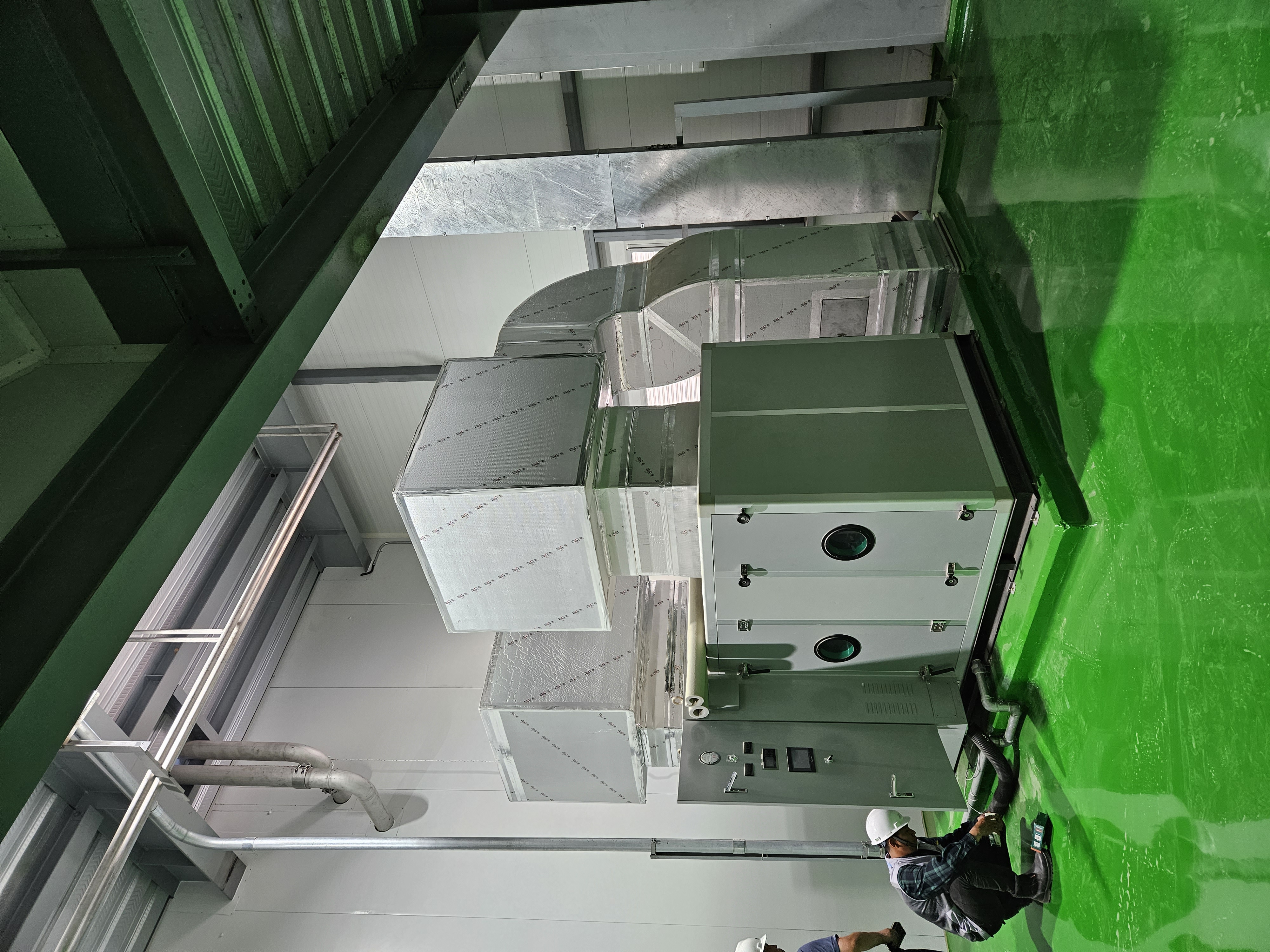
2. Air Handling Unit (AHU)
The AHU processes and distributes air throughout the clean room. The air can pass through several filtration stages before entering the production area.
3. HEPA Filter
HEPA filters are used to remove very small airborne particles and help maintain the required level of air cleanliness.
4. Clean Room Panels
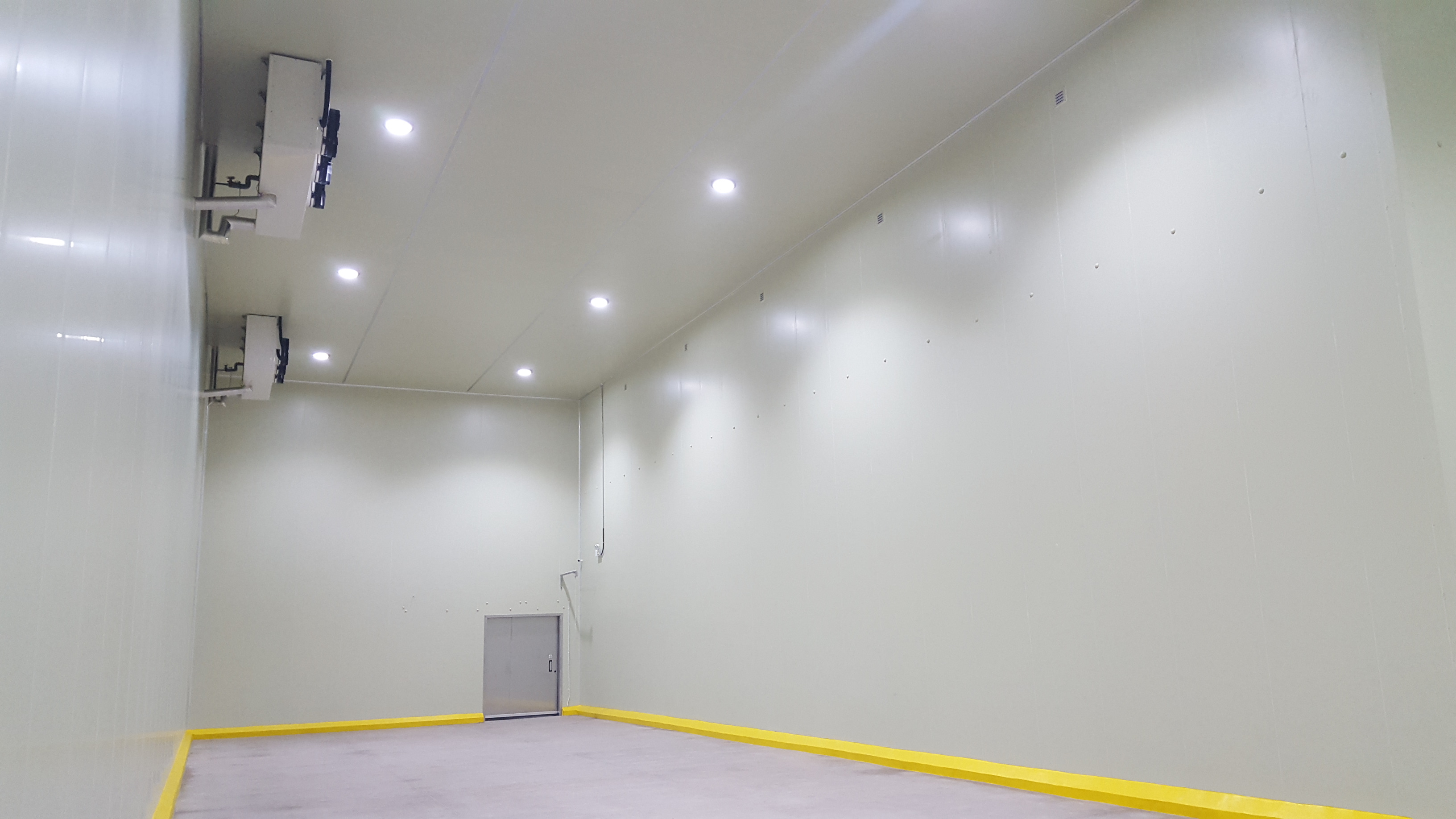
Specialized panels are used for walls, ceilings, and other areas of the clean room to create an environment that is easier to control and maintain.
5. Automatic Control System
An automatic control system allows parameters such as temperature, humidity, pressure, and system operation to be monitored and controlled more efficiently.
Industries That Use Clean Rooms
Clean rooms are used in various industries, including:
- Electronics
- Battery manufacturing
- Pharmaceuticals
- Food and beverage
- Medical equipment
- Chemicals
- Manufacturing
- Research and development
Each industry has different requirements, so clean room design must be customized according to the production process and required specifications.
Factors to Consider When Planning a Clean Room
Several factors should be considered before constructing a clean room.
Temperature Requirements
Temperature must be adjusted according to the production process and product characteristics.
Humidity
Improper humidity levels can affect materials and certain manufacturing processes.
Room Pressure
Pressure differences between rooms can help control airflow direction and reduce the risk of contaminants entering controlled areas.
Air Filtration
The filtration system must be selected according to the required cleanliness level.
Airflow
Airflow patterns and air volume must be properly designed to ensure effective air distribution throughout the room.
Energy Efficiency
Clean rooms often require HVAC systems to operate continuously or intensively. Therefore, proper system design is important for optimizing energy consumption.
Clean Room and HVAC Should Be Designed as an Integrated System
One common mistake in clean room construction is focusing only on the room structure without considering the HVAC system as a whole.
HVAC, AHU, filters, ducting, clean room panels, automatic controls, and monitoring systems should be designed as an integrated system.
Proper planning helps maintain stable clean room conditions while improving system efficiency and reliability.
Why Choose an Experienced Clean Room Contractor?
Clean room projects require an understanding of production processes, HVAC requirements, airflow, filtration, temperature and humidity control, and system commissioning.
Therefore, choosing a contractor with experience in industrial projects is an important factor.
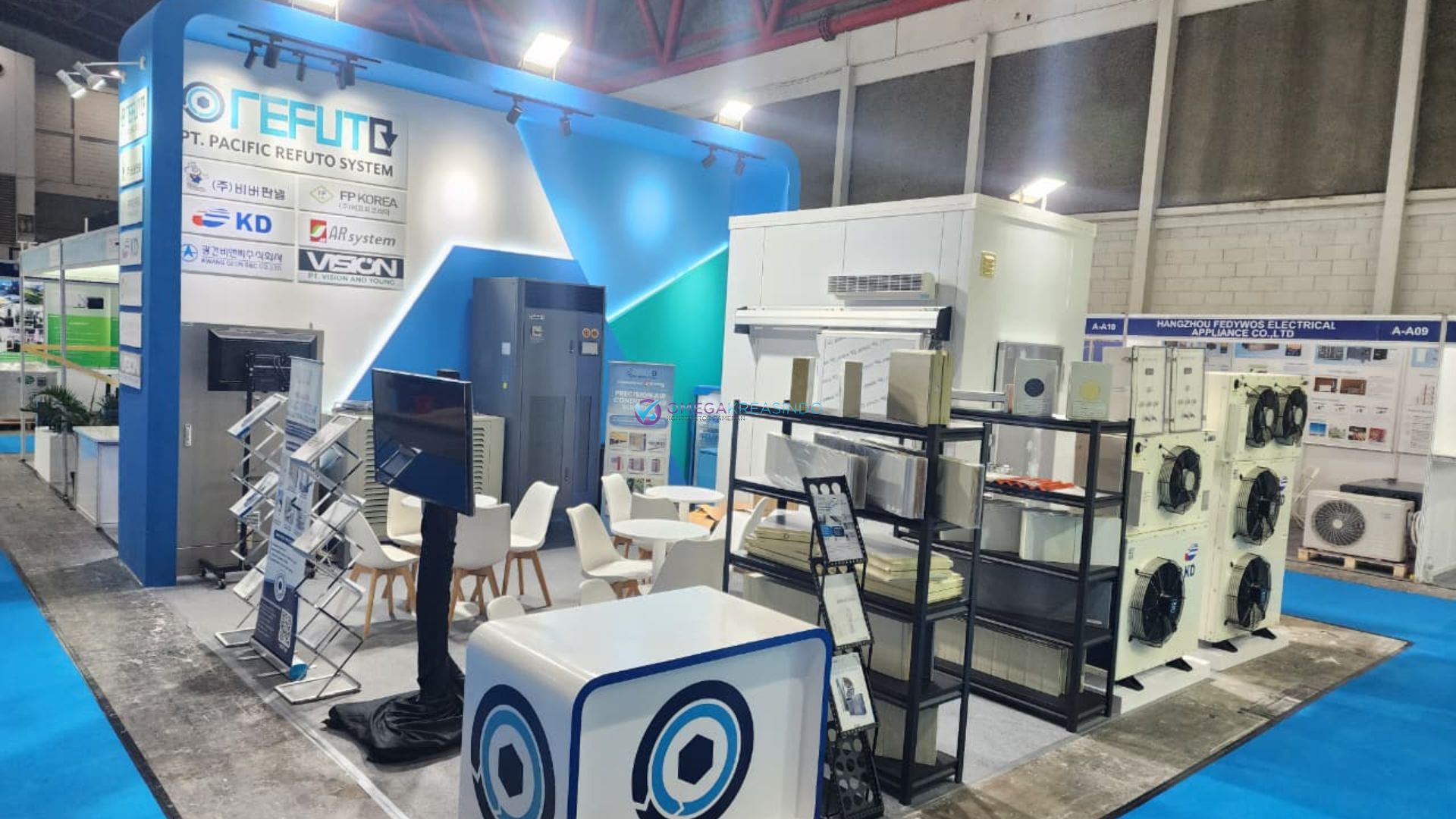
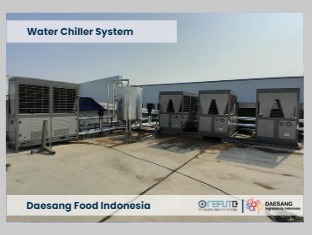
PT Pacific Refuto System provides industrial cooling and facility solutions including HVAC, Clean Room, Cold Storage, Refrigeration Systems, Chillers, and Automatic Control Systems. Refuto also has clean room project experience, including its LG Battery project portfolio.
Conclusion
A clean room is an important part of production facilities that require a controlled environment.
HVAC, AHU, filters, ducting, panels, and automatic control systems must be designed as an integrated solution to properly control temperature, humidity, pressure, airflow, and air cleanliness.
With proper planning and installation, a clean room can help industries maintain production quality, reduce contamination risks, and create an environment suitable for specific manufacturing processes.
Need a Clean Room Solution for Your Factory?
PT Pacific Refuto System provides Clean Room, HVAC System, Cold Storage, Refrigeration System, Chiller, and Automatic Control System solutions tailored to industrial facility requirements.
Contact the Refuto team for consultation and system planning based on your project requirements.
_(3).jpeg)
_(3).jpeg)