
When designing an HVAC system, cold storage, freezer room, or industrial refrigeration system, determining equipment capacity cannot be based solely on room size.
One of the most important engineering processes is Heat Load Calculation.
Heat Load Calculation determines how much heat must be removed by a cooling system in order to achieve and maintain the required room temperature.
For industrial facilities, accurate calculation is essential. An undersized system may fail to achieve the required temperature, while an oversized system can increase capital investment and energy consumption.
What Is Heat Load Calculation?
Heat Load Calculation is the process of calculating all heat sources entering or generated inside a conditioned space.
These heat sources may include:
- Ambient temperature
- Walls and roof
- Doors and openings
- Products entering the room
- People
- Lighting
- Machines and equipment
- Electric motors
- Electronic equipment
- Door opening frequency
- Ventilation and air infiltration
These factors are then used to determine the required HVAC or refrigeration capacity.
Why Is Heat Load Calculation Important?
Every industrial facility has different requirements.
A cold storage facility for frozen products requires a different refrigeration system from a room used for chilled products.
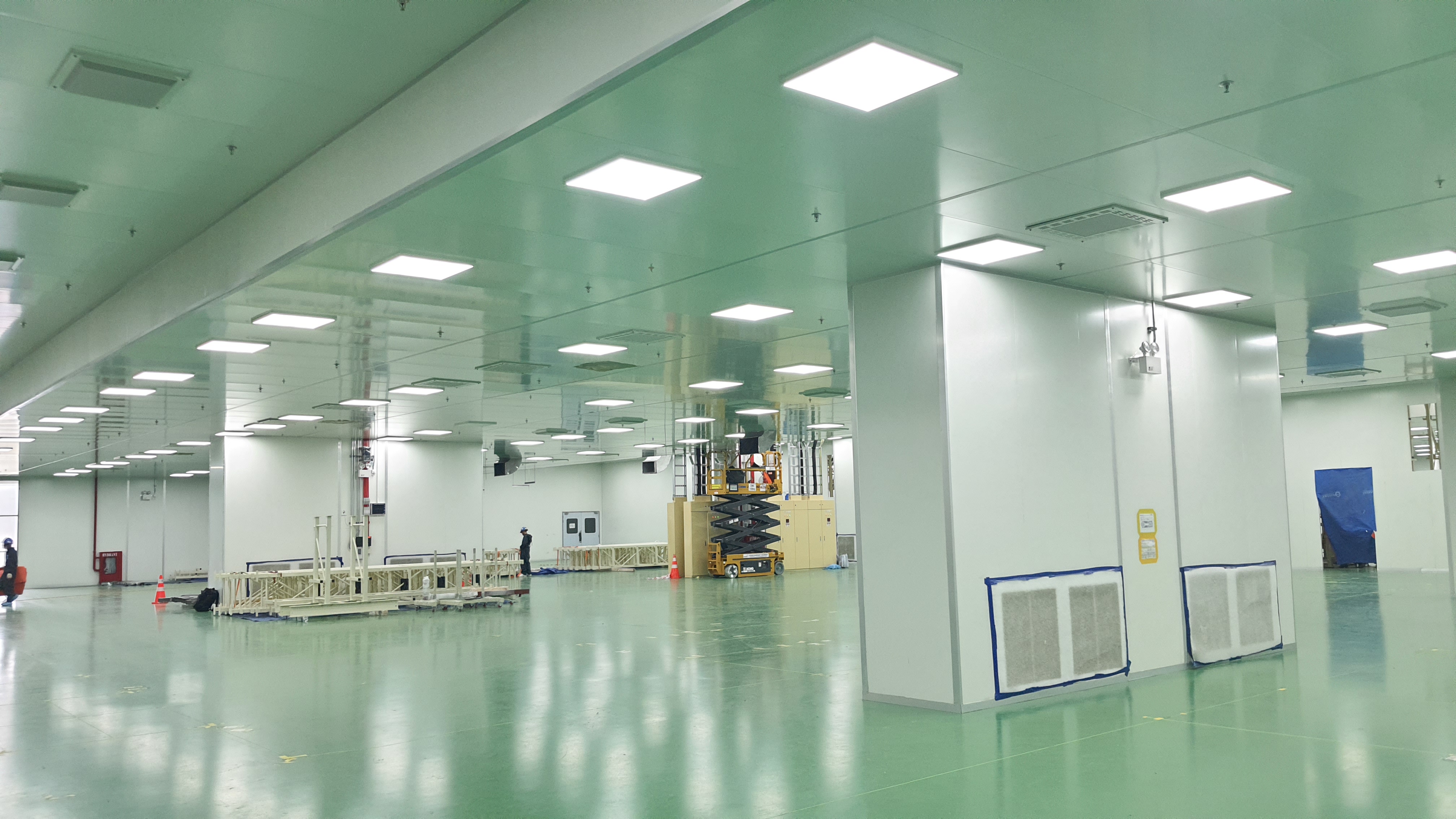
Likewise, HVAC systems for production areas, clean rooms, server rooms, and offices have different requirements.
Heat Load Calculation allows engineers to design a system based on actual project conditions rather than assumptions.
Factors Affecting Heat Load
1. Room Size
Room volume and surface area affect the amount of heat entering the conditioned space.
2. Ambient Temperature
Outdoor temperature affects heat transfer through walls, roofs, doors, and other building elements.
3. Insulation
Insulation quality has a significant impact on cooling performance.
Proper insulation reduces heat transfer from the surrounding environment into the conditioned room.
4. Product Load
Products entering a cold storage room can represent a significant source of heat load.
Engineers need to consider:
- Product type
- Product weight
- Initial product temperature
- Target temperature
- Product quantity
- Loading time
- Loading frequency
5. Door Opening and Air Infiltration
Every time a cold room door is opened, warmer outside air can enter the room.
Frequent door opening increases the cooling load.
6. People and Equipment
People, lighting, motors, forklifts, conveyors, production equipment, and electronic devices generate heat and must be considered in the calculation.
Heat Load in HVAC Systems
HVAC calculations involve more than temperature.
Engineers may also need to consider:
- Sensible heat
- Latent heat
- Humidity
- Outdoor air
- Fresh air requirements
- Occupancy
- Lighting load
- Equipment load
- Building envelope
These factors are particularly important for clean rooms, pharmaceutical facilities, battery factories, data centers, and production areas.
What Happens When the System Is Undersized?
An undersized cooling system may result in:
- Difficulty reaching the target temperature
- Long operating hours
- Increased compressor workload
- Higher energy consumption
- Product quality issues
- Reduced equipment lifespan
What Happens When the System Is Oversized?
Oversizing is not always better.
An oversized system may result in:
- Higher initial investment
- Inefficient equipment selection
- Higher energy consumption
- Increased maintenance costs
The system should therefore be designed according to actual requirements.
Heat Load and Equipment Selection
Heat Load Calculation provides an important basis for selecting equipment such as:
- Compressors
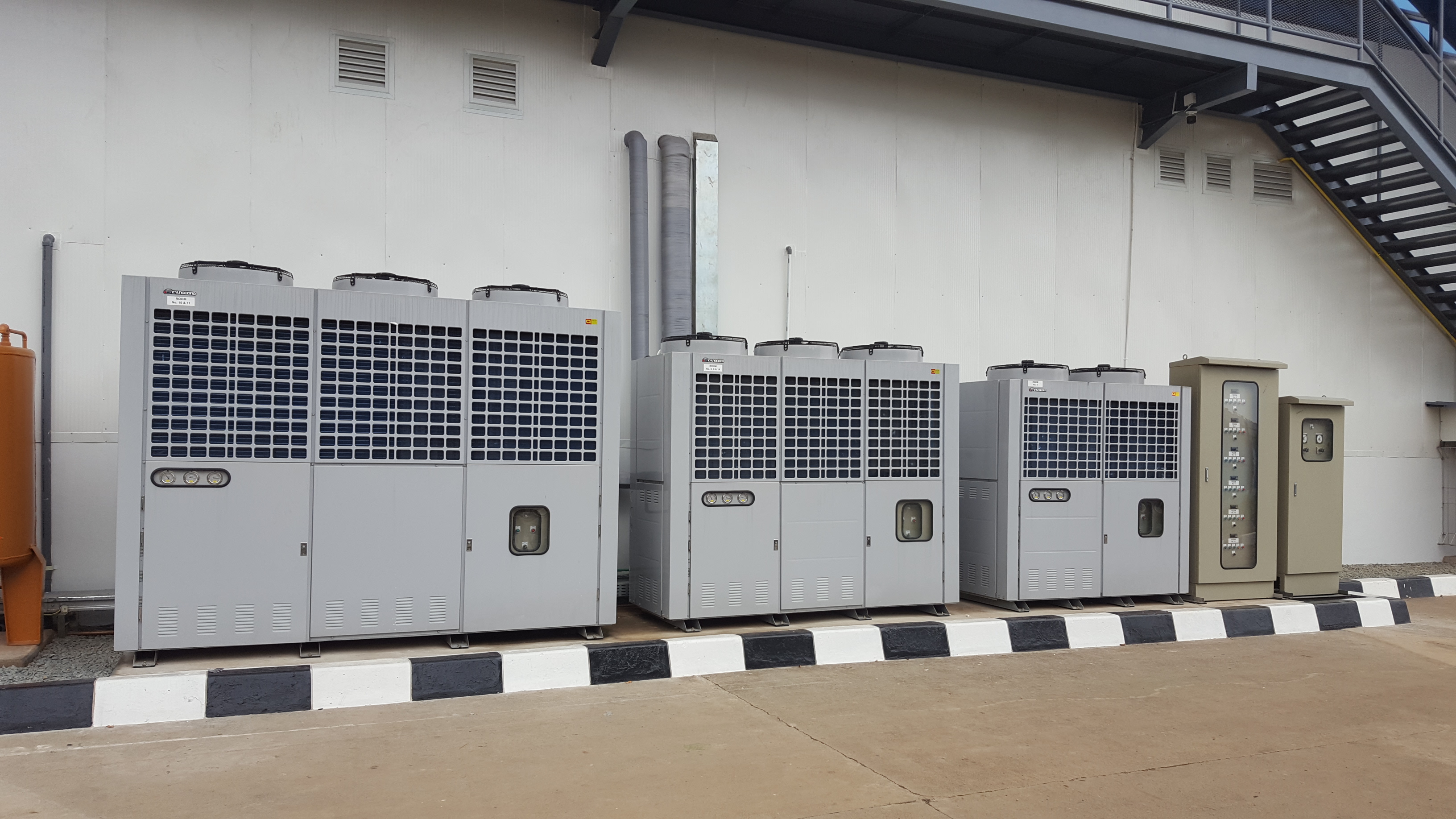
- Condensing units
- Evaporators
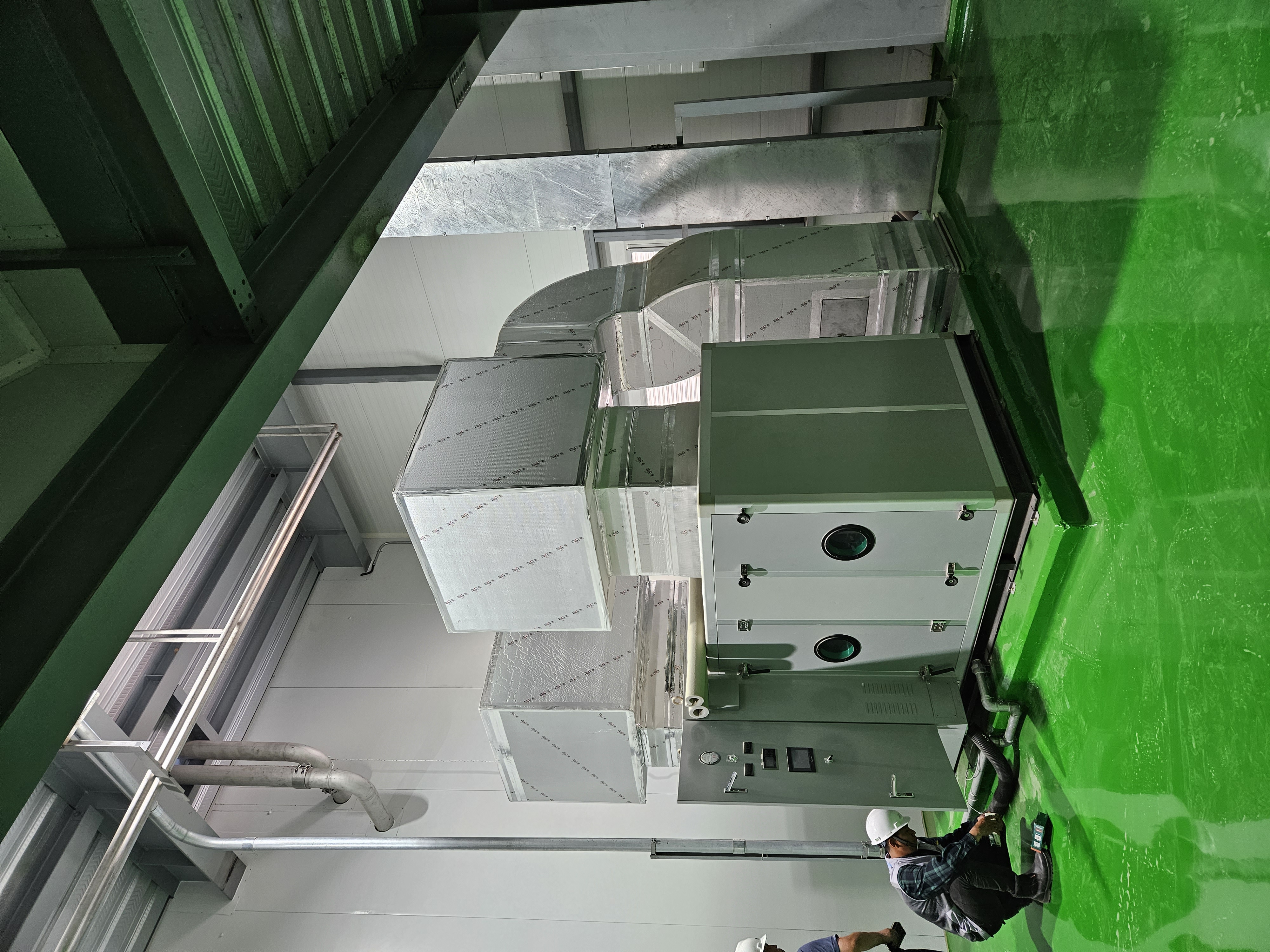
- AHUs
- Chillers
- Cooling towers
- Air conditioning units
- Fans
- Control systems
Equipment selection must then be matched with operating temperature, capacity, and project requirements.
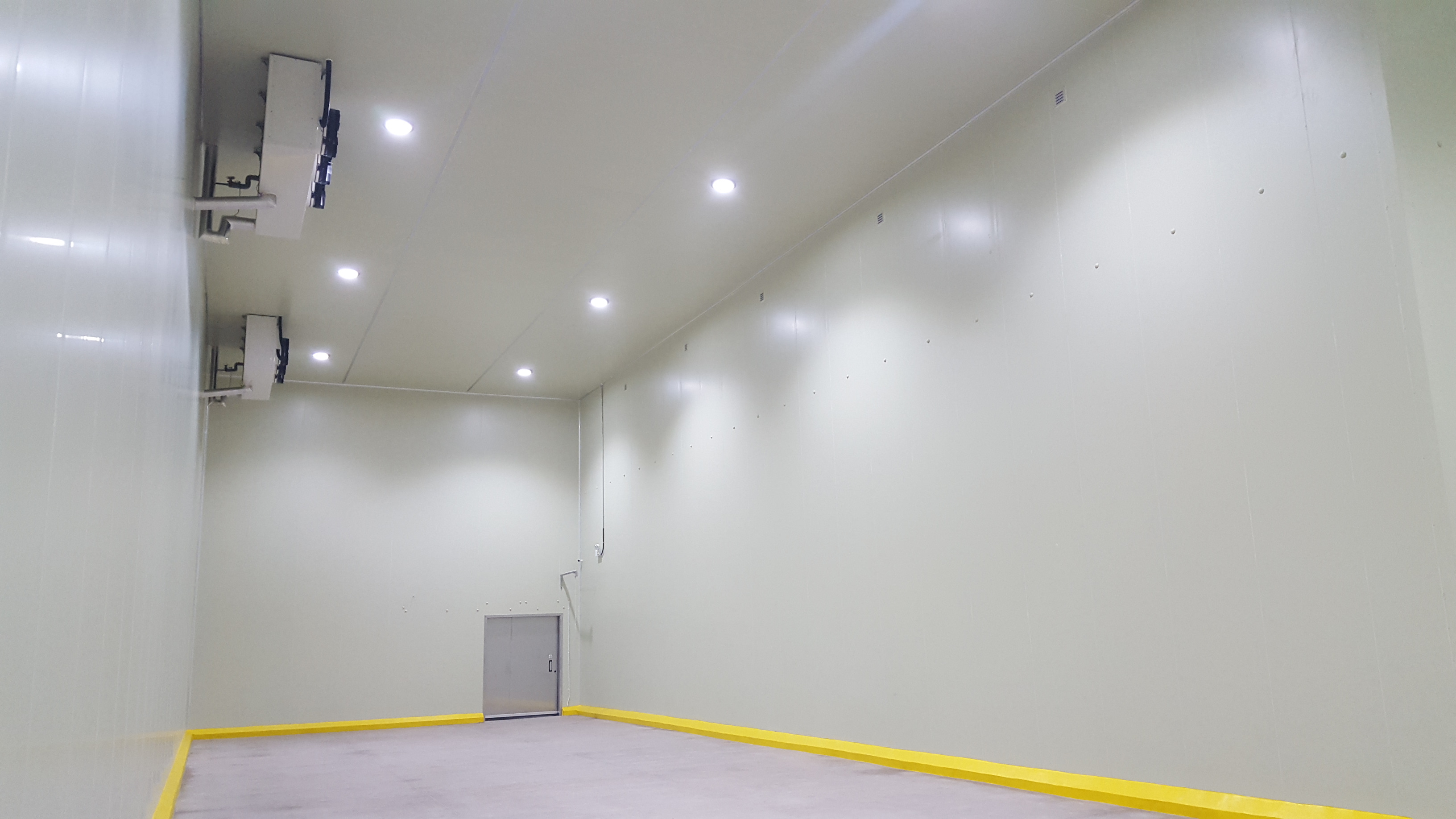
Heat Load Calculation for Cold Storage
Cold storage calculations may include:
Transmission Load — heat entering through walls, floors, ceilings, and panels.
Product Load — heat generated by products entering the room.
Infiltration Load — heat caused by outside air entering when doors are opened.
Internal Load — heat generated by people, lighting, motors, forklifts, and other equipment.
Defrost Load — heat associated with evaporator defrosting.
All these factors should be considered to determine an appropriate refrigeration capacity.
Why Does Engineering Experience Matter?
Engineering calculations alone are not always sufficient.
Engineers need to understand how the facility will actually operate.
Two cold rooms with identical dimensions may require different refrigeration capacities because of differences in:
- Product type
- Product temperature
- Door opening frequency
- Ambient temperature
- Insulation
- Operating conditions
Engineering experience therefore plays an important role in system design.
PT Pacific Refuto System Engineering Solutions
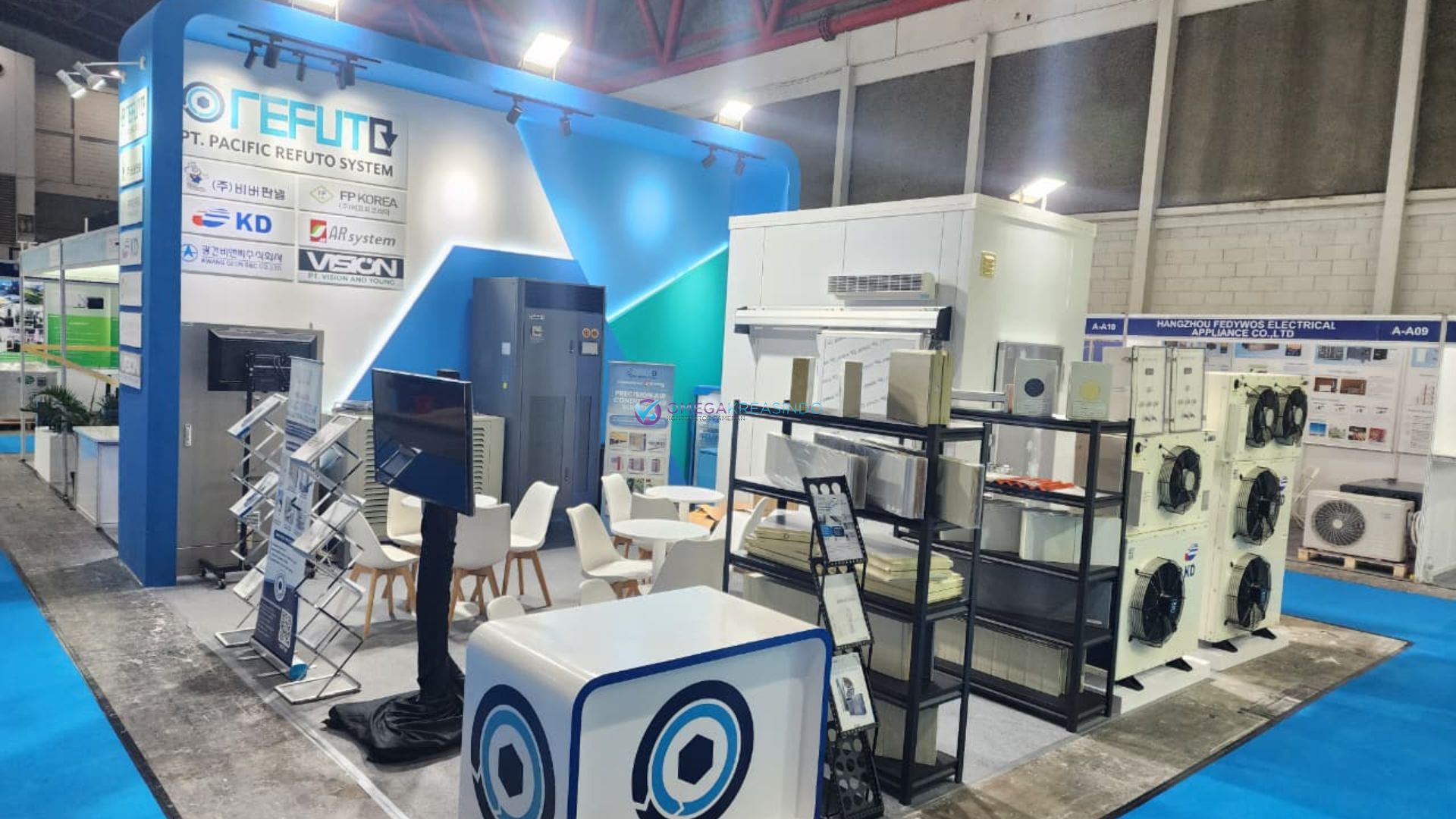
PT Pacific Refuto System provides engineering solutions including Heat Load Calculation, Cold Storage Design, HVAC System Design, IQF Freezer Design, and Clean Room Design.
The company also provides solutions covering HVAC Systems, Cold Storage & Freezer, IQF, Clean Room, AHU Systems, Water Chiller, Precision Air Conditioning, Insulation, and Dehumidifier Installation.
Conclusion
Heat Load Calculation is an essential stage in HVAC and refrigeration system design.
Accurate calculation helps engineers select appropriate equipment capacity, maintain stable temperatures, avoid oversizing and undersizing, and improve energy efficiency.
For industrial projects, system design should be handled by an experienced engineering team that understands both technical requirements and actual site operations.
Need Heat Load Calculation for Your Project?
PT Pacific Refuto System provides solutions for HVAC, Cold Storage, Freezer Room, Clean Room, Chiller, IQF, and Refrigeration Systems based on specific project requirements.

_(3).jpeg)
_(3).jpeg)