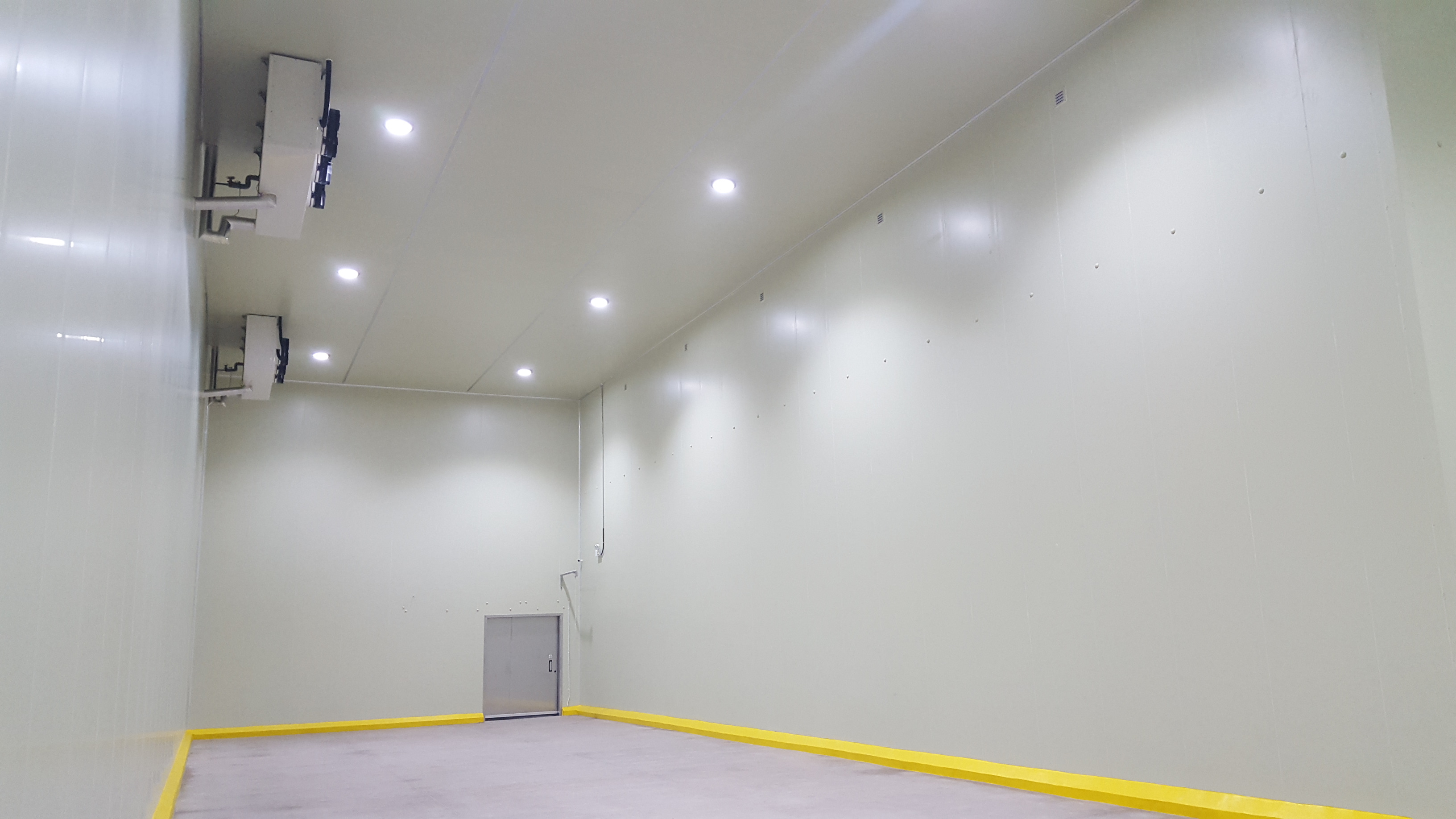
Understanding the Difference Between Cold Storage and Freezer Rooms
In the food and beverage, pharmaceutical, fisheries, retail, and logistics industries, temperature-controlled storage is an important part of maintaining product quality.
Two commonly used systems are cold storage and freezer rooms. Although both use refrigeration systems to maintain low temperatures, they serve different purposes and operate at different temperature ranges.
Choosing the right system should be based on the type of product, storage requirements, room capacity, target temperature, and operational process.
What Is Cold Storage?
Cold storage is a temperature-controlled room designed to keep products at a low and stable temperature without necessarily freezing them.
Cold storage can be used for products such as fruits, vegetables, dairy products, fresh meat, beverages, food ingredients, and certain pharmaceutical products.
For chilled-room applications, temperatures may typically range from approximately 1°C to 7°C, depending on the product and process requirements.
The main purpose of cold storage is to slow product deterioration, maintain freshness, and help preserve product quality during storage and distribution.
What Is a Freezer Room?
A freezer room is a temperature-controlled room designed to keep products in a frozen condition.
It is used when products require lower temperatures than those provided by a chilled room. Industrial freezer rooms are commonly used for meat, poultry, fish, seafood, frozen food, and other products that require frozen storage.
Typical freezer-room applications may operate around -15°C to -20°C, although lower temperatures may be required for specific applications.
For food storage, frozen products are commonly maintained at approximately -18°C or below, although the actual operating temperature should always follow product specifications and applicable requirements.
Key Differences Between Cold Storage and Freezer Rooms
The main difference lies in operating temperature and storage objectives.
Cold Storage
- Higher temperature than a freezer room
- Suitable for fresh and chilled products
- Designed to maintain product freshness
- Commonly used in food, beverage, retail, and pharmaceutical applications
Freezer Room
- Lower operating temperature
- Designed for frozen products
- Suitable for longer-term frozen storage
- Commonly used in frozen food, seafood, meat, and cold-chain logistics
However, temperature should not be selected simply based on the name of the room. Every product has different storage requirements, so the system should be designed based on product and process data.
What Products Are Suitable for Cold Storage?
Cold storage is generally suitable for products that require low temperatures but should not be frozen.
Examples include:
- Fruits
- Vegetables
- Selected dairy products
- Beverages
- Fresh meat
- Fresh fish
- Food ingredients
- Products requiring chilled storage
Stable temperature control is important because temperature fluctuations can affect product quality and shelf life.
What Products Are Suitable for Freezer Rooms?
Freezer rooms are designed for products requiring frozen conditions.
Examples include:
- Frozen meat
- Frozen poultry
- Fish and seafood
- Frozen food
- Nuggets
- Sausages
- Ice cream
- Frozen processed food
For food products, storage temperature must be consistently controlled. Temperature monitoring is also important to ensure that the room remains within the required operating conditions.
What About Blast Chillers and Blast Freezers?
In addition to cold storage and freezer rooms, industrial facilities may require blast chillers or blast freezers.
A blast chiller is designed to rapidly reduce product temperature after production or cooking. A blast freezer is designed for rapid freezing.
The main difference is that cold storage and freezer rooms are primarily used to maintain storage temperatures, while blast chillers and blast freezers are designed to accelerate the cooling or freezing process.
Within a cold-chain operation, these systems can be used together according to the production and distribution flow.
Factors to Consider Before Choosing a System
Selecting a cold storage or freezer room should not be based solely on room size.
Important considerations include:
1. Product Type
Each product has different temperature and humidity requirements.
2. Storage Temperature
The target temperature should be determined based on product specifications and operational requirements.
3. Storage Capacity
The amount of product stored determines room volume and refrigeration capacity.
4. Door Opening Frequency
Frequent door opening increases the cooling load that the refrigeration system must handle.
5. Room Insulation
Proper insulated panels help reduce heat transfer from the surrounding environment into the room.
6. Refrigeration System
Compressors, evaporators, condensers, and other refrigeration components must be selected based on the heat load and operating temperature.
7. Monitoring and Control
Automatic control systems can be used to monitor temperature and operating conditions in real time.
The Importance of Proper Refrigeration System Design
A cold storage or freezer room is not simply a room equipped with a cooling machine.
The system should be designed based on heat load calculations, ambient temperature, product temperature, product quantity, operational frequency, room dimensions, insulation type, and operating requirements.
Poor system design can result in higher energy consumption, unstable temperatures, product deterioration, and increased maintenance costs.
Why Choose an Experienced Cold Storage Contractor?
Building a cold storage or freezer room requires integration between room design, insulation panels, refrigeration systems, electrical systems, automatic controls, and commissioning.
Therefore, choosing a contractor with strong engineering capabilities is important.
An experienced contractor can provide:
- Site survey
- Heat load calculation
- Temperature determination
- Cold room design
- Refrigeration system selection
- Installation
- Testing and commissioning
- Maintenance and technical support
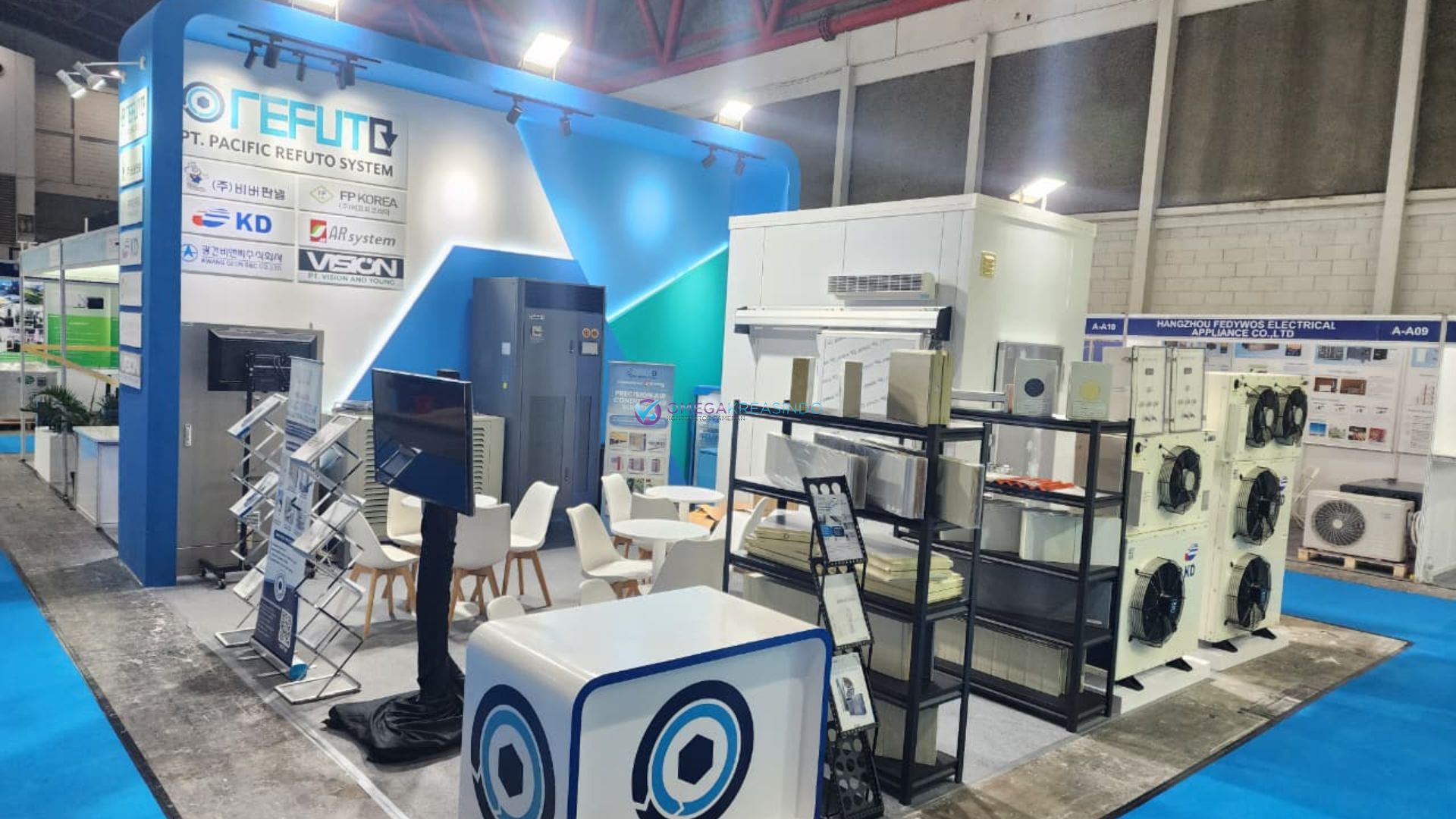
Cold Storage and Refrigeration Solutions from PT Pacific Refuto System
PT Pacific Refuto System provides integrated solutions for industrial facilities, including:
- Cold Storage
- Freezer Room
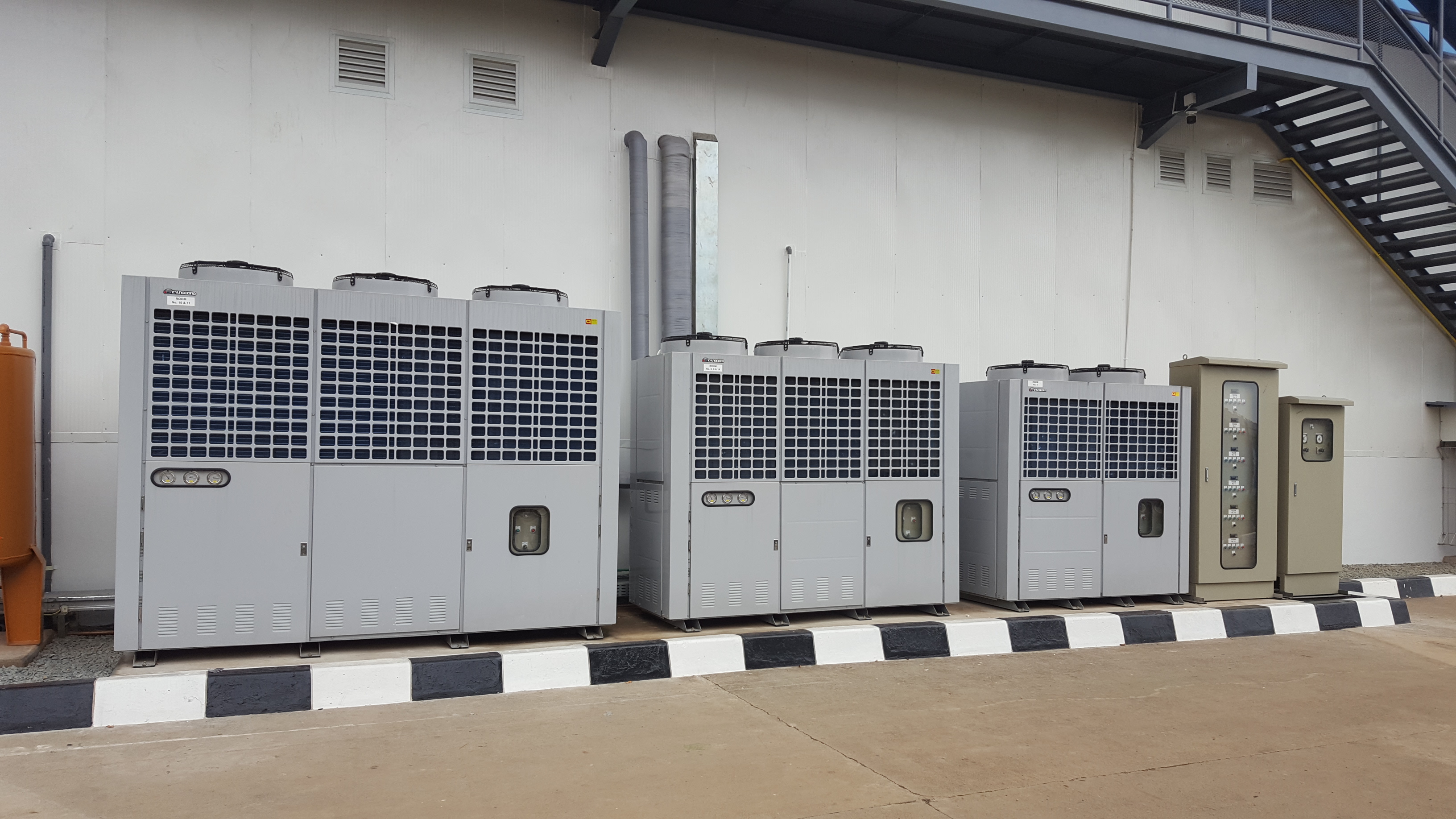
- Refrigeration System
- Chiller System
- HVAC System
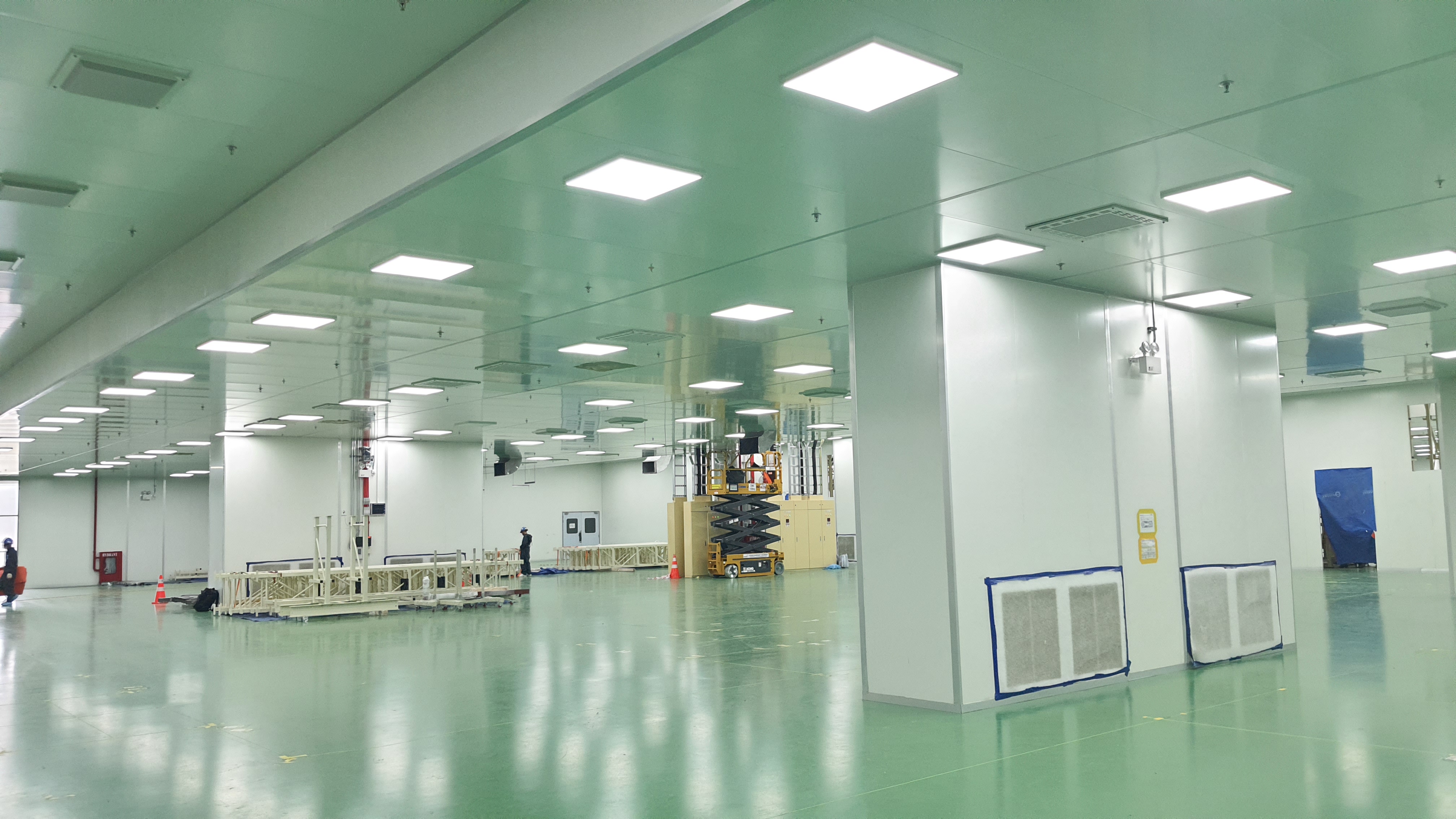
- Clean Room
- Automatic Control System
- Energy Saving Solution
With experienced engineering support, Refuto helps companies develop cooling systems based on their process requirements, capacity, and product characteristics.
Conclusion
Cold storage and freezer rooms serve different purposes even though both rely on refrigeration systems.
Cold storage is more suitable for products requiring chilled conditions, while freezer rooms are designed for products requiring frozen conditions.
The right system should be selected based on product type, storage temperature, capacity, heat load, insulation, refrigeration system, and operational requirements.
With proper design and installation, cold storage systems can help maintain product quality, improve operational efficiency, and support a reliable cold-chain process.
Need Cold Storage or Freezer Room Consultation?
PT Pacific Refuto System provides solutions for Cold Storage, Freezer Room, Refrigeration System, HVAC, and Clean Room applications.
Contact PT Pacific Refuto System to discuss a solution designed according to your facility and production requirements.
_(3).jpeg)
_(3).jpeg)