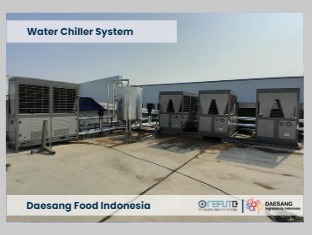
What Is a Chiller System?
A Chiller System is a cooling system designed to produce chilled water that can be used to cool rooms, machinery, equipment, and industrial production processes.
Chillers are an important part of industrial cooling systems because they can provide stable cooling capacity for applications with significant heat loads.
Chiller systems are commonly used in:
- Manufacturing plants
- Food and beverage industries
- Pharmaceutical industries
- Electronics industries
- Automotive industries
- Chemical industries
- Data centers
- Hospitals
- Commercial buildings
How Does a Chiller Work?
In general, a chiller works by absorbing heat from circulating water and rejecting that heat to the surrounding environment.
The water cooled by the chiller is known as chilled water. It is then circulated to different areas that require cooling.
After absorbing heat from a room, machine, or production process, the water returns to the chiller to be cooled again.
This cycle continues continuously while the system is operating.
Types of Chillers
1. Air Cooled Chiller
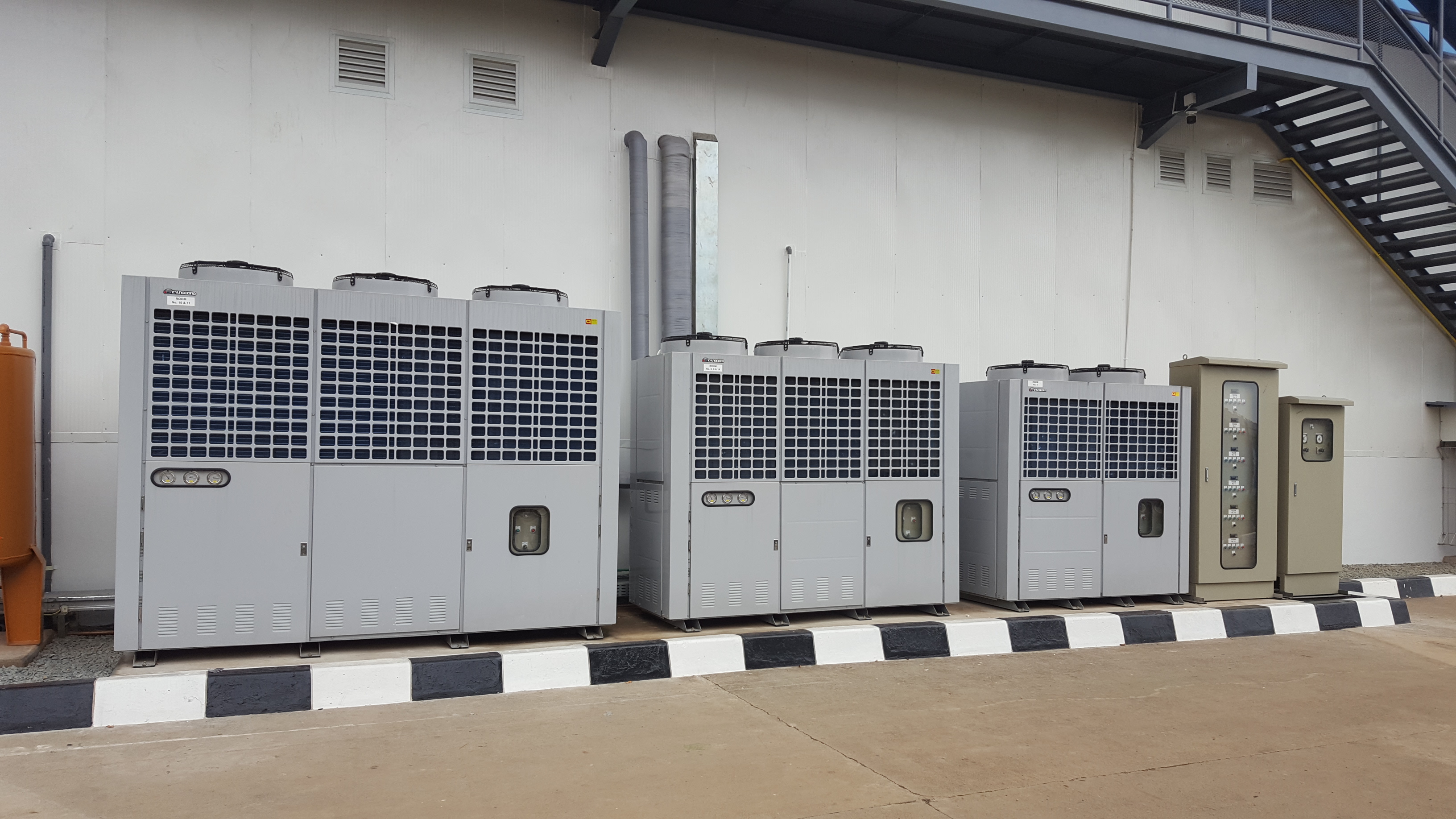
An Air Cooled Chiller uses air to reject heat from the refrigerant.
The system generally uses condenser fans to move air through the condenser coils.
Some advantages of Air Cooled Chillers include:
- Relatively simple installation
- No cooling tower required
- No condenser water pump required
- Suitable for various industrial applications
Air Cooled Chillers can be a suitable option when water availability is limited or when a simpler cooling system is preferred.
2. Water Cooled Chiller
A Water Cooled Chiller uses water to reject heat from the refrigeration system.
The system is commonly combined with:
- Cooling tower
- Condenser water pump
- Chilled water pump
- Control system
Water Cooled Chillers are widely used in facilities with large cooling requirements and long operating hours.
Air Cooled Chiller vs Water Cooled Chiller
The choice between an Air Cooled Chiller and a Water Cooled Chiller should be based on the specific project requirements.
Air Cooled Chillers have a simpler configuration and do not require a cooling tower.
Water Cooled Chillers can provide good efficiency for large-capacity applications but require additional supporting equipment and appropriate water treatment.
Main Components of a Chiller System
Compressor
The compressor circulates refrigerant through the system and increases refrigerant pressure.
Compressor selection should be based on the required cooling capacity and operating conditions.
Evaporator
The evaporator is where the refrigerant absorbs heat from the chilled water.
Water passing through the evaporator is cooled before being distributed throughout the system.
Condenser
The condenser rejects the heat absorbed by the refrigerant.
In an Air Cooled Chiller, heat is rejected using air.
In a Water Cooled Chiller, heat is rejected using water that is typically sent to a cooling tower.
Expansion Valve
The expansion valve controls refrigerant flow into the evaporator while reducing refrigerant pressure.
Chilled Water Pump
The chilled water pump circulates chilled water from the chiller to areas requiring cooling.
Cooling Tower
In a Water Cooled Chiller system, the cooling tower removes heat from the condenser water and releases it into the environment.
Industrial Applications of Chillers
Chillers can be used for various applications, including:
Process Cooling
Chillers help maintain stable temperatures during industrial production processes.
Machine Cooling
Some industrial machines generate significant heat and require cooling systems to maintain their operating performance.
HVAC Systems
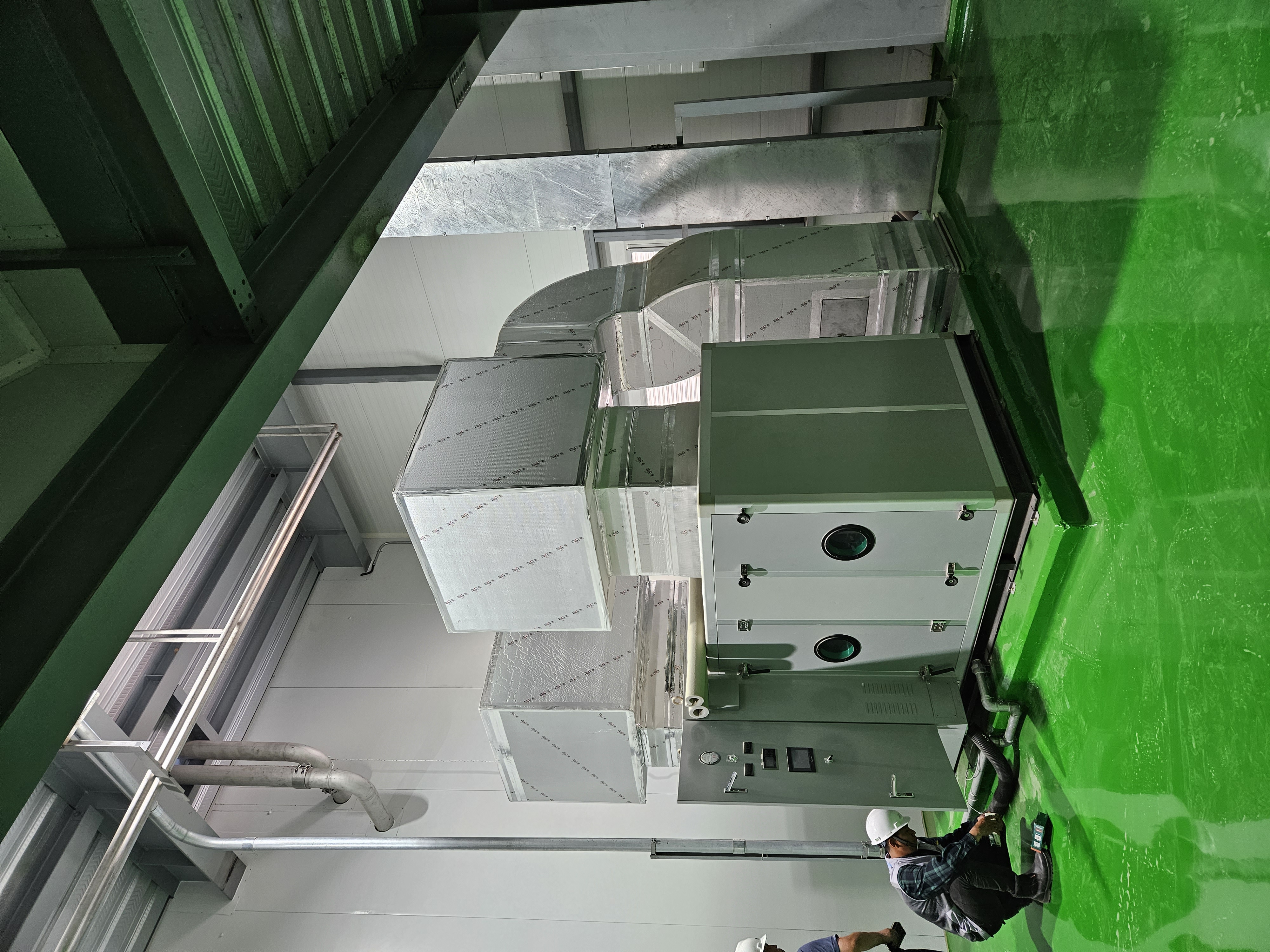
Chilled water can be used as a cooling medium for Air Handling Units and HVAC systems.
Data Centers
Chillers can help maintain suitable temperatures for server rooms and IT equipment.
Pharmaceutical Industries
Stable temperature control is important for supporting production processes and maintaining controlled environmental conditions.
Benefits of Chiller Systems
Stable Temperature Control
Chillers can provide chilled water at temperatures suitable for specific applications.
Supporting Production Processes
Proper temperature control can help maintain stable production processes.
Improving Efficiency
Selecting the right chiller capacity and system configuration can help optimize energy consumption.
Supporting Long-Term Operation
A properly designed chiller system can support reliable industrial operation over the long term.
Factors to Consider When Selecting a Chiller
Chiller selection should not be based solely on equipment capacity.
Important factors include:
- Cooling capacity
- Supply water temperature
- Return water temperature
- Ambient temperature
- Operating hours
- Heat load
- Water availability
- Installation space
- Energy efficiency requirements
- Control system
Accurate cooling load calculations are essential to prevent both undersizing and oversizing.
Importance of Chiller Maintenance
Regular maintenance is required to maintain chiller performance.
Important components to inspect include:
- Compressor
- Condenser
- Evaporator
- Refrigerant
- Pump
- Cooling tower
- Filters
- Control system
Regular maintenance can help identify problems at an early stage and reduce the risk of unexpected downtime.
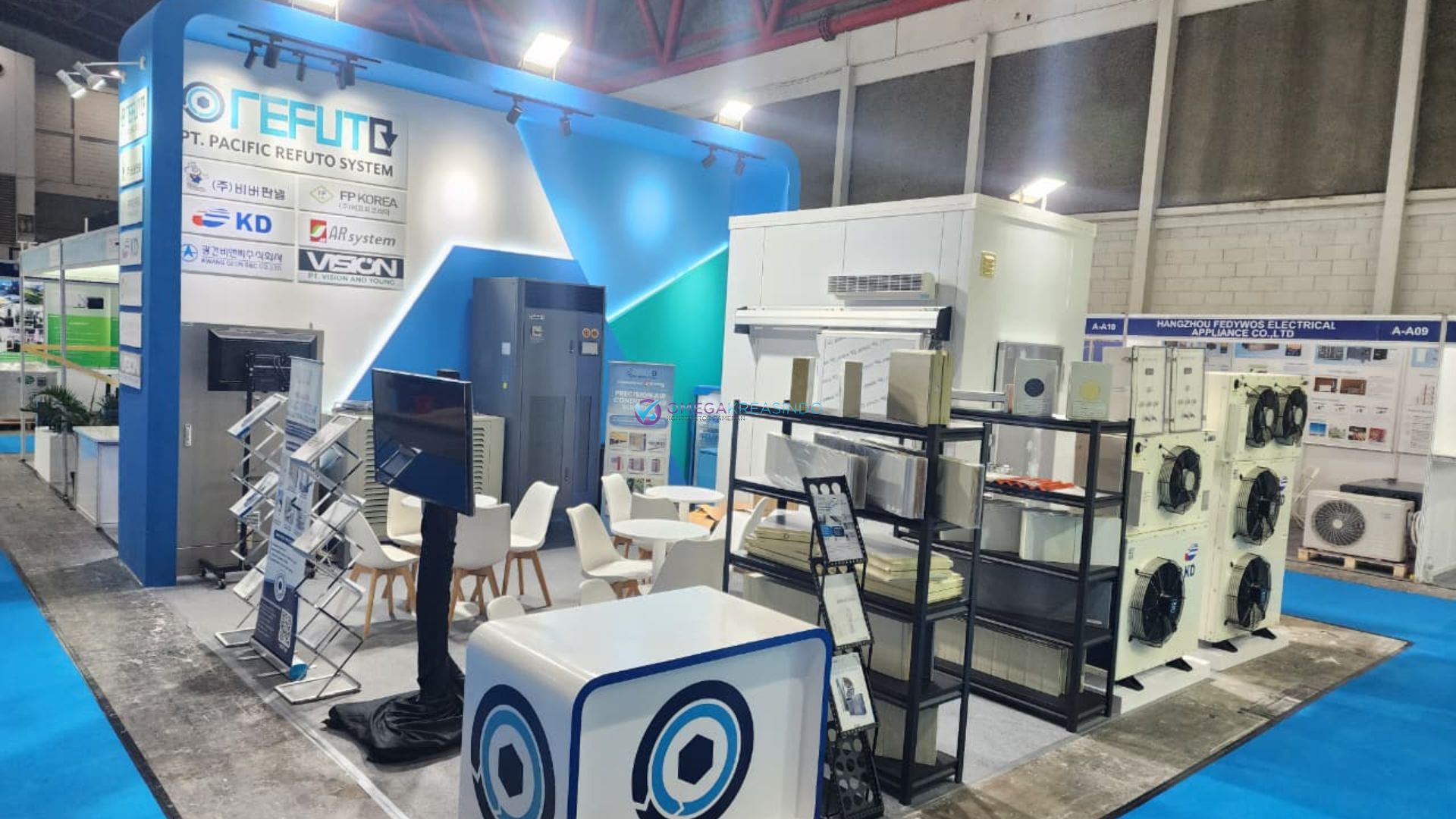
Chiller Solutions from PT Pacific Refuto System
PT Pacific Refuto System provides cooling solutions for various industrial applications, including:
- Chiller System
- HVAC System
- Industrial Refrigeration
- Cold Storage
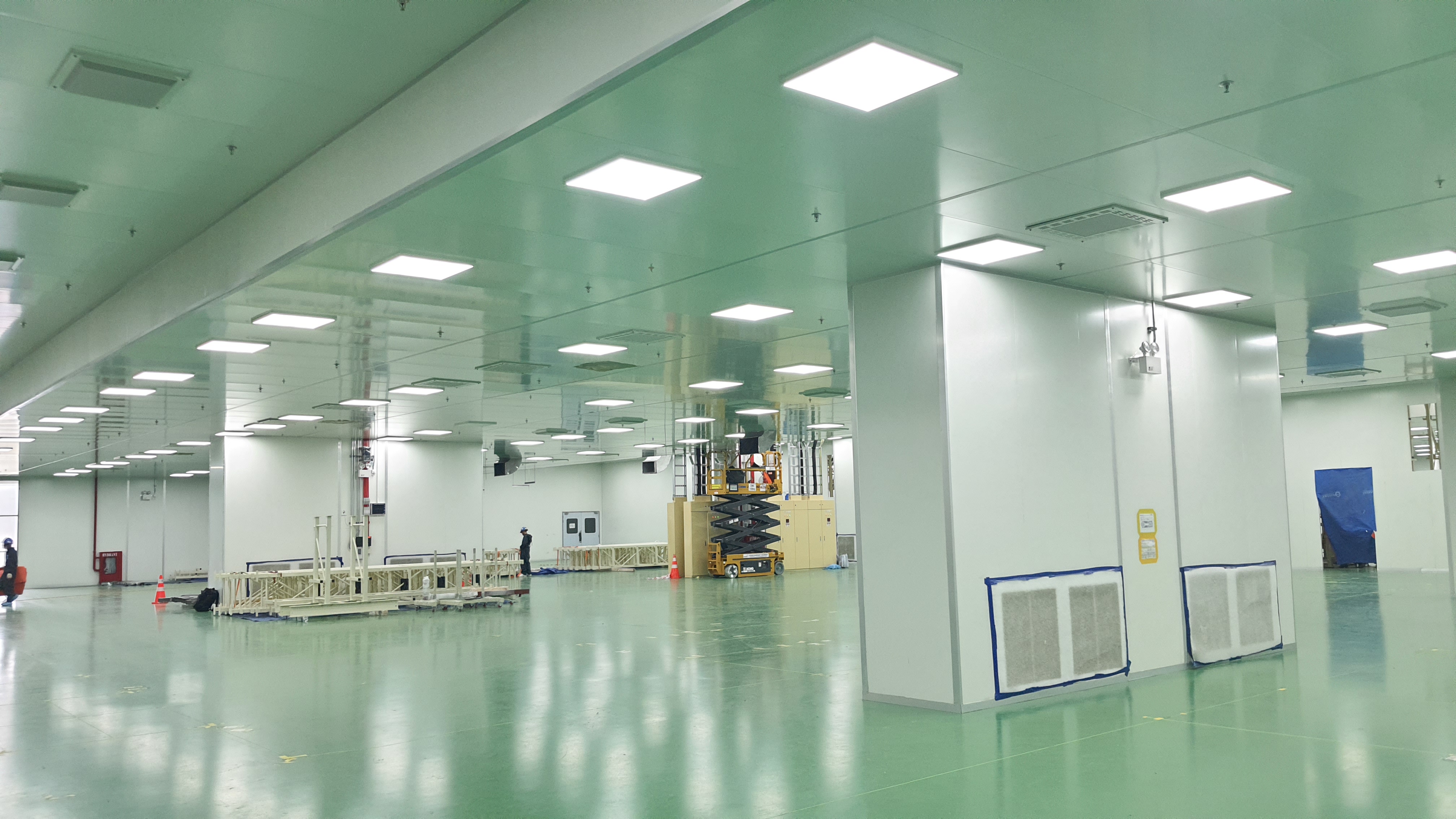
- Clean Room
- Automatic Control System
- Energy Saving Solution
Supported by experienced engineering capabilities, Refuto helps customers design and provide cooling systems according to their required capacity, processes, and facility conditions.
Conclusion
A Chiller System is an important solution for industrial cooling applications. It can be used to cool production processes, machinery, rooms, and specific equipment.
Selecting the appropriate chiller type, capacity, system configuration, and maintenance strategy is essential to achieve an efficient and reliable cooling system.
PT Pacific Refuto System provides Chiller System, HVAC, Industrial Refrigeration, Cold Storage, and Clean Room solutions according to industrial requirements.
_(3).jpeg)
_(3).jpeg)